Common Electrical Code Violations in Tennessee Homes (and How to Fix Them)

Electrical safety codes exist to protect your home, your family, and your investment. But in many older homes across Tennessee—including properties in Elizabethton, Johnson City, and nearby areas—outdated wiring, DIY fixes, or past remodels may leave you with electrical code violations you didn’t even know about.
In this article, we cover the most common electrical code violations found in Tennessee homes, how they can impact safety and resale value, and what steps you can take to correct them.
Why Electrical Code Compliance Matters
The National Electrical Code (NEC) sets minimum safety standards for residential electrical systems. Tennessee and local municipalities enforce these standards through permitting and inspections, especially during renovations or property sales.
When your home doesn't meet code, it can create risks such as:
- Electrical fires or shocks
- Failed home inspections during resale
- Voided homeowners insurance claims
- Limited ability to add new systems or appliances
Addressing violations before they cause a problem is not just safer—it can also save you time and money down the road.
Top Electrical Code Violations in Tennessee Homes
Below are some of the most frequent violations NJC Electric finds during home inspections and repair calls in the Elizabethton area.
Missing or Faulty Ground Fault Circuit Interrupters (GFCIs)
GFCIs are designed to prevent shock by shutting off power when an imbalance is detected. The NEC requires GFCIs in bathrooms, kitchens, laundry rooms, garages, and outdoor outlets.
Common issues include:
- No GFCI outlets installed in required areas
- Replaced outlets not upgraded to GFCI
- Improper GFCI wiring, which can render the safety feature ineffective
No Arc Fault Protection in Bedrooms and Living Areas
Arc Fault Circuit Interrupters (AFCIs) are required on bedroom and living area circuits in new construction or major remodels. They protect against electrical fires caused by damaged or deteriorated wires.
Older homes often lack AFCI protection. Some DIY upgrades also fail to install AFCI breakers where required.
Overfilled Electrical Boxes
Every electrical box has a volume rating, and exceeding that limit is a code violation. Overfilled boxes can cause wire overheating and make it difficult to complete safe connections.
This issue often occurs when new devices are added to an existing box without assessing capacity.
Open Splices and Unprotected Wiring
Splices, or wire connections, must be enclosed in approved junction boxes. Exposed or unprotected wiring is a common violation in attics, basements, garages, and crawl spaces.
Leaving these connections exposed increases the risk of arcing, shock, and fire.
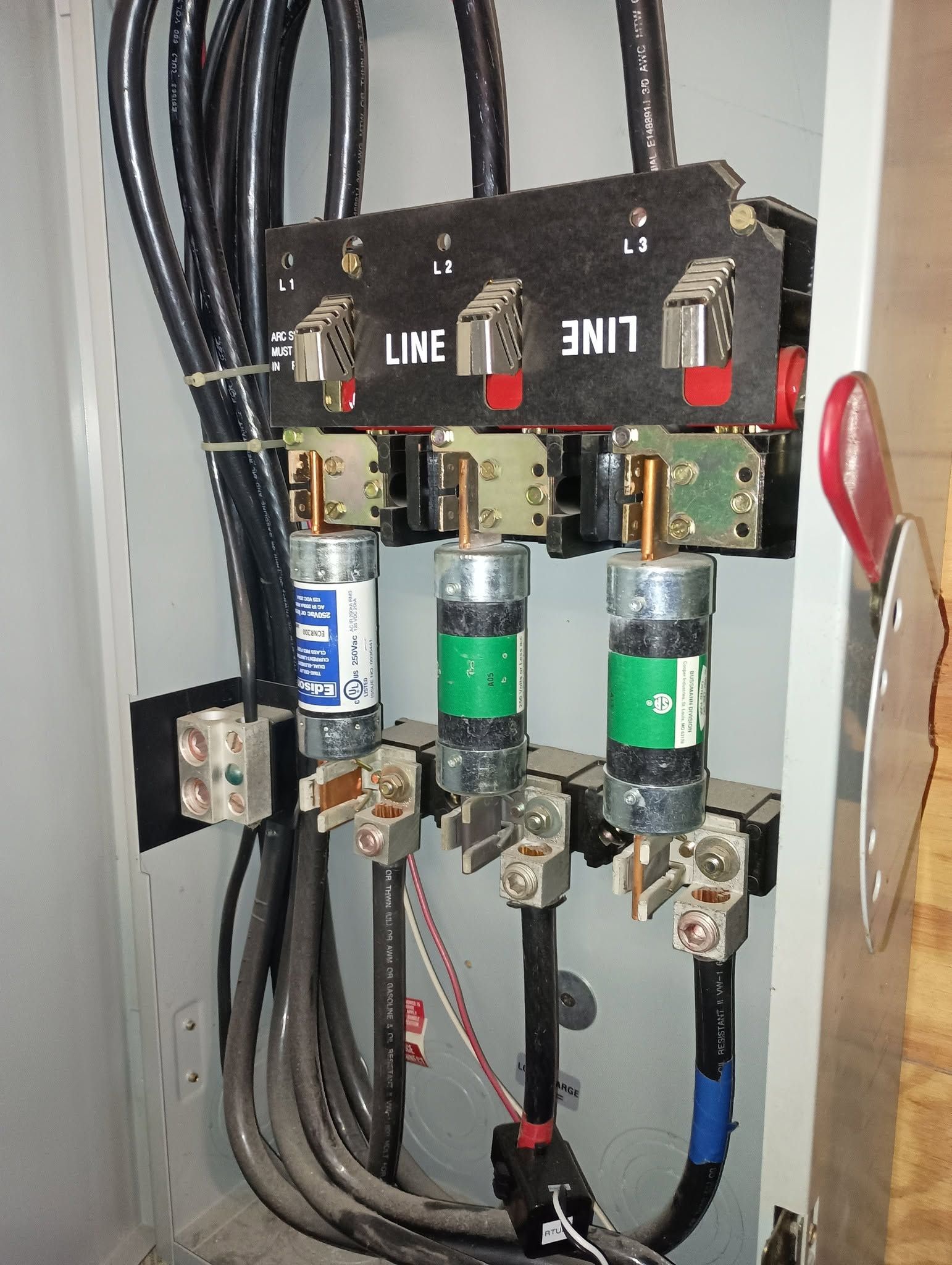
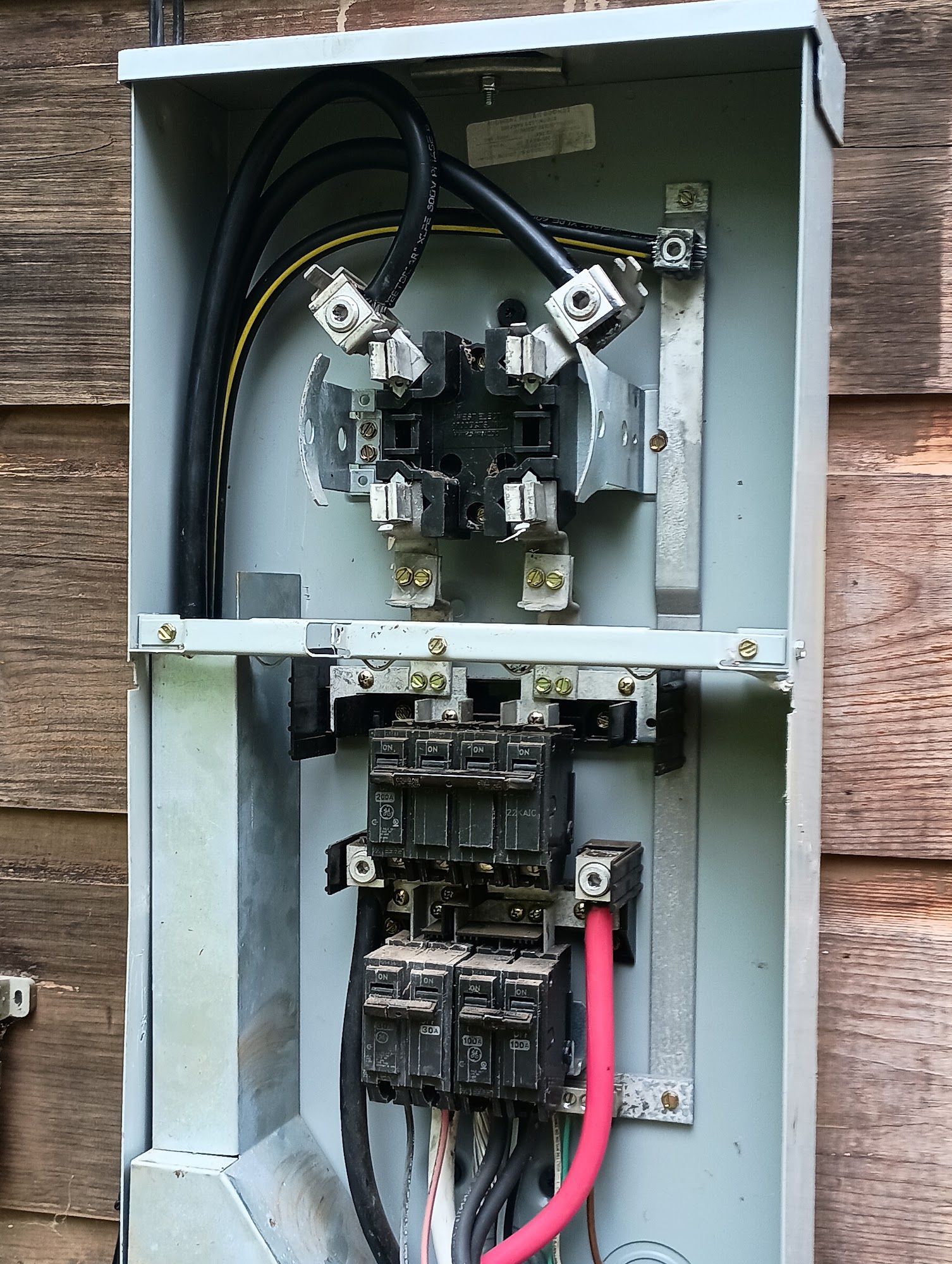
Incorrect Breaker or Fuse Size
Each circuit must be protected by a breaker or fuse rated for the wire gauge in use. A breaker that allows more current than the wire can handle is a serious fire hazard.
Improper sizing can happen during upgrades or when homeowners attempt to stop frequent breaker trips by installing a larger breaker without upgrading the wiring.
Improper Outlet Spacing or Quantity
The NEC requires outlets to be spaced a maximum of 12 feet apart along walls and within 6 feet of any door opening. This prevents the need for extension cords and ensures safe access to power.
If your home has large areas with no outlets, or you still rely on multiple extension cords, it may be out of code.
Lack of Smoke Detectors or Interconnectivity
Smoke detectors are required in every bedroom, outside sleeping areas, and on each floor. Modern code also requires these detectors to be interconnected, so if one goes off, they all sound an alarm.
Older homes may have outdated detectors or lack interconnected wiring, which can delay emergency response in a fire.
Missing Grounding on Older Wiring
Homes built before the 1960s may still use two-prong outlets and lack grounding. While not always illegal, ungrounded systems are less safe and may violate code if modified without proper updates.
Adding new outlets to an ungrounded system without installing GFCIs or upgrading the wiring is a violation and safety concern.
How These Violations Are Typically Discovered
Many homeowners don’t realize their system is out of compliance until:
- A licensed electrician performs a home inspection
- A remodel triggers a permit and inspection
- A homebuyer’s inspector identifies violations during a sale
- An issue like a fire, tripping hazard, or malfunction leads to investigation
NJC Electric regularly performs electrical safety inspections across the Elizabethton region and identifies issues before they become hazards or liabilities.
Can You Sell a Home With Electrical Code Violations in Tennessee?
Technically, yes. However, unresolved violations can:
- Lower your home’s value
- Scare off buyers
- Lead to lender delays or denials
- Be flagged during the appraisal process
If you're planning to sell or refinance, a pre-listing inspection can help you avoid last-minute surprises.
How to Fix Electrical Code Violations
Correcting code violations typically involves the following steps:
1. Schedule a Professional Electrical Inspection
A licensed electrician will evaluate your home’s system and identify areas that need improvement. At NJC Electric, we offer detailed inspections with clear, written reports.
2. Prioritize the Most Serious Hazards
We always recommend starting with violations that involve fire risk, such as overfused circuits, missing GFCIs, or exposed wiring.
3. Obtain Required Permits
In most cases, correcting code violations—especially if it involves rewiring or panel upgrades—requires a permit and inspection from your local building department. NJC Electric handles all permitting and scheduling on your behalf.
4. Complete Repairs and Replacements
This may include installing GFCIs, upgrading outlets, replacing wiring, resizing breakers, or correcting grounding issues.
5. Final Inspection and Documentation
Once repairs are complete, your system will be reinspected and approved. You’ll have peace of mind and documentation that your home meets current standards.
Tips to Stay Code-Compliant
- Don’t attempt DIY wiring unless you are familiar with local code requirements
- Schedule a licensed electrical inspection before starting a remodel
- Replace outdated or two-prong outlets with grounded or GFCI-protected options
- Install AFCI breakers in bedrooms and living spaces where required
- Upgrade smoke detectors to meet placement and interconnectivity requirements
- Never replace a tripping breaker with a larger one without checking the wire size
Local Service With Knowledge of Tennessee Codes
NJC Electric is based in Elizabethton and serves homeowners within a 60-mile radius, including Johnson City, Bristol, and surrounding areas. We stay up to date with NEC updates and local enforcement practices to ensure your home is safe, functional, and ready for future needs.
Schedule a Home Electrical Inspection
If you’re unsure whether your home is code-compliant, or you’ve recently purchased an older property, now is the time to schedule a professional inspection.
We provide:
- Detailed code evaluations
- Estimates for corrective work
- Permitting and inspection coordination
- Peace of mind that your system is safe
Request an inspection online: [https://www.njcelectric423.com/contact-us]
Or call NJC Electric at (423) 895-9278