Understanding Power Distribution Systems for Small Businesses
Power Distribution Systems for Small Businesses in Tennessee

Reliable and efficient power distribution is essential for any small business. Whether you operate a retail store, restaurant, medical office, or warehouse in the Elizabethton area, the way your electrical system distributes power can directly affect your daily operations, safety, and energy efficiency.
This article provides a practical overview of commercial power distribution systems, including their components, common problems, and what Tennessee business owners need to consider when installing or upgrading electrical infrastructure.
What Is a Power Distribution System?
A power distribution system is the network of electrical components that delivers electricity from the main service entrance to the outlets, lighting, HVAC systems, and equipment throughout a commercial building. It includes:
- The main service panel or switchgear
- Subpanels for different areas or functions
- Circuit breakers and protective devices
- Wiring, conduits, and junction boxes
- Transformers or voltage regulators, if needed
The system must be designed to distribute power safely and efficiently, avoiding overloads and ensuring continuity of service.
Why Power Distribution Matters for Your Business
In a residential setting, basic electrical needs are usually predictable. In a commercial environment, usage is often more complex and varies by industry.
Properly designed distribution systems help:
- Prevent downtime due to overloaded circuits
- Improve employee safety and comfort
- Extend the lifespan of expensive equipment
- Reduce the risk of fire or electrical damage
- Comply with safety codes and insurance requirements
- Provide flexibility for future expansion
If your system is undersized or poorly maintained, you may face constant tripping breakers, dimming lights, overheating, or power loss at critical times.
Key Components of a Small Business Electrical Distribution System
Below are the major parts of a typical power distribution setup in a commercial building.
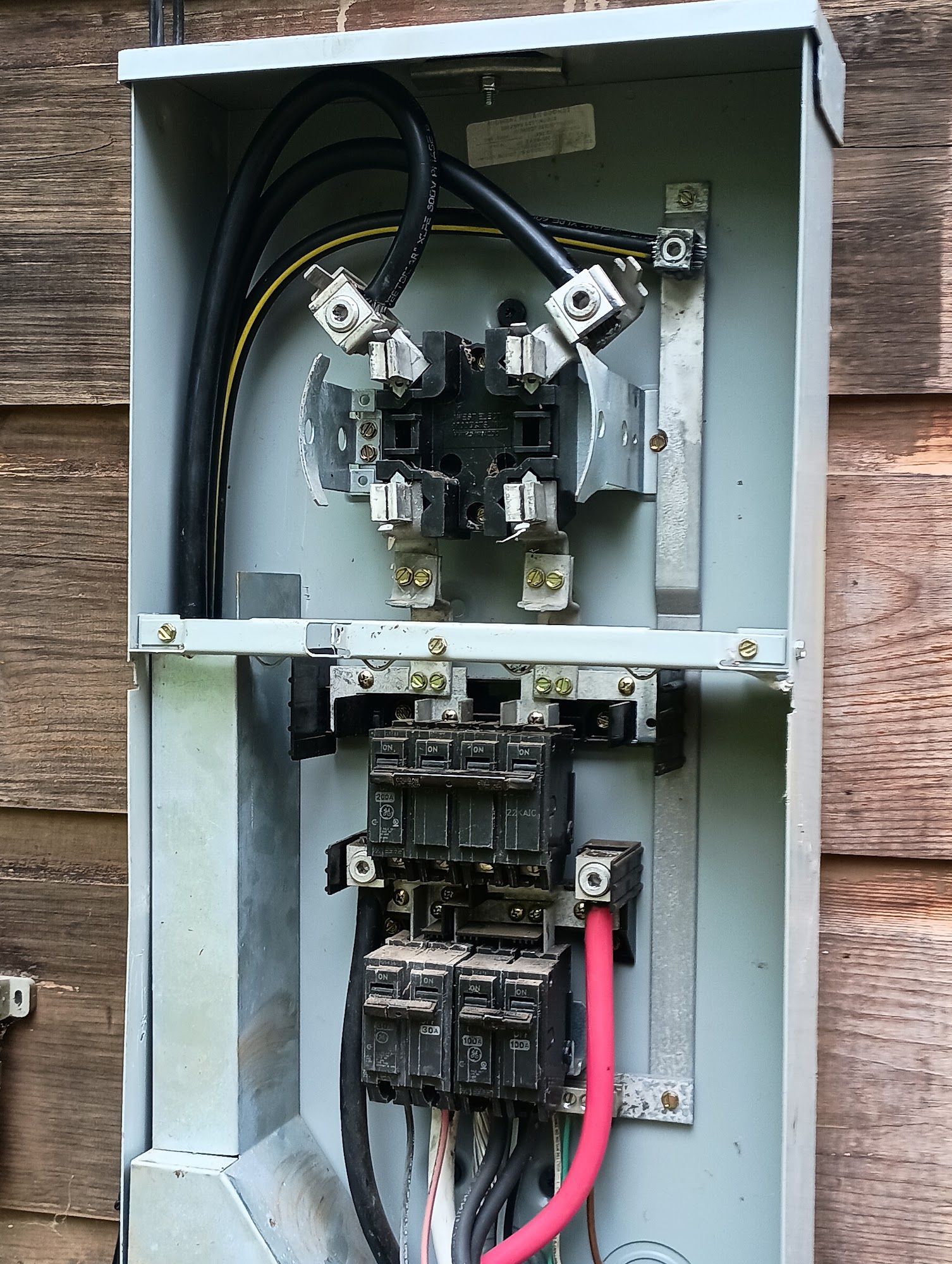
Main Service Panel or Switchgear
This is the primary point where power from the utility company enters your facility. It houses the main breaker and distributes power to all branch circuits.
For larger commercial buildings or multi-unit facilities, switchgear may be used instead of a standard panel. These systems are more complex and allow for more detailed control and protection.
Subpanels
Subpanels are often used to manage different areas of the building—such as a separate kitchen, office space, or warehouse area—without overloading a single panel.
Subpanels:
- Allow for localized circuit control
- Make system expansion easier
- Help balance electrical loads
Circuit Breakers
Breakers protect each circuit from overload by shutting off power if the current exceeds safe limits. Commercial buildings often require different breaker types, including:
- Standard single-pole breakers
- Double-pole breakers for high-power equipment
- Ground fault circuit interrupters (GFCIs) in wet areas
- Arc fault circuit interrupters (AFCIs) in offices or living quarters
Wiring and Conduit
Commercial wiring must meet specific standards based on load requirements, environmental exposure, and code. Conduits protect the wiring from damage, especially in warehouses or areas with machinery.
Transformers and Voltage Regulation
Some businesses use step-down transformers to reduce voltage for specific equipment, or voltage regulators to stabilize power supply for sensitive systems such as servers or lab instruments.
Common Power Distribution Issues in Commercial Buildings
Several issues can affect the performance and safety of your electrical system. Here are some of the most common problems NJC Electric encounters in East Tennessee businesses.
Overloaded Circuits
If your business has expanded but the electrical system hasn’t kept up, you may be exceeding the safe capacity of certain circuits. This can lead to:
- Breaker trips
- Overheating
- Equipment malfunctions
- Increased fire risk
Unbalanced Loads
Uneven distribution of electrical load across phases can cause voltage drops or surges. This may lead to equipment wear and reduced energy efficiency.
Inadequate Panel Capacity
A small main panel may not support your business’s long-term needs. If you're constantly adding equipment or rearranging workspaces, it may be time to upgrade your panel or add subpanels.
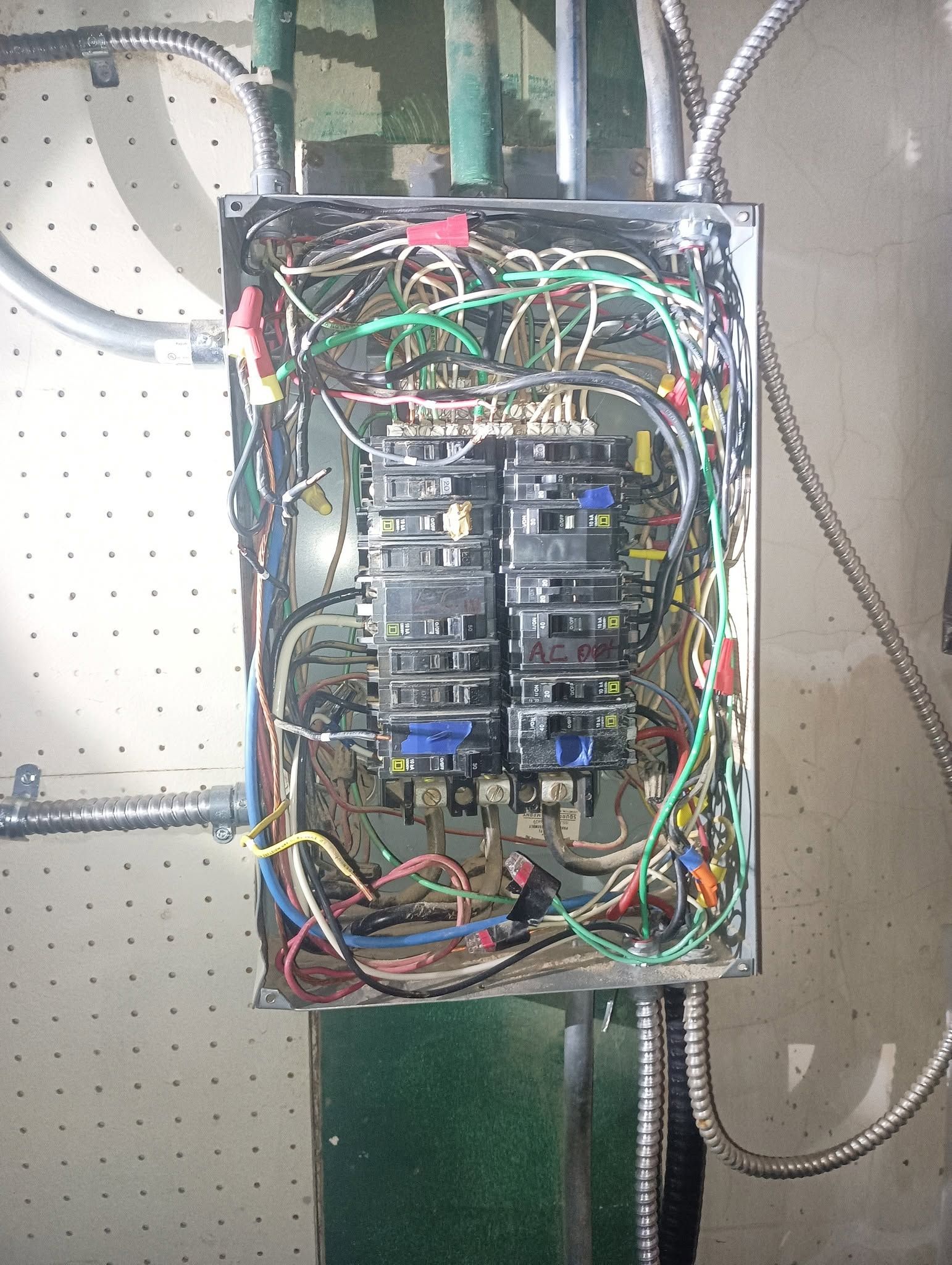
Outdated Wiring
Older wiring may not meet current code or load requirements. It may lack grounding or insulation, increasing the risk of shorts and shock.
Lack of Proper Labeling
In a commercial setting, every panel, breaker, and subpanel should be clearly labeled. Missing or incorrect labels delay repairs and can create safety hazards during emergencies.
When to Upgrade or Modify Your System
You may need to evaluate your power distribution system if:
- You’re expanding your business or adding machinery
- You’re renovating part of the building
- You’re moving into a new commercial space
- Your staff frequently experiences power issues
- You’ve failed a recent inspection or insurance audit
NJC Electric works with businesses in Elizabethton, Johnson City, Bristol, and other nearby areas to design and install commercial electrical systems that support growth and compliance.
Key Considerations for Small Business Owners
Energy Efficiency
Modern systems with upgraded panels, smart breakers, and energy management tools can help reduce operational costs. Businesses with high energy consumption may benefit from demand monitoring and load balancing.
Safety and Code Compliance
Meeting National Electrical Code (NEC) standards is essential not just for legal reasons, but also for safety and liability protection. An up-to-date distribution system helps prevent fire risks and supports compliance during inspections or insurance reviews.
Scalability
Your electrical system should be built with the future in mind. We recommend including extra panel capacity or conduit runs that allow for future additions without starting from scratch.
Backup Power Options
Many businesses now install backup generators or uninterruptible power supplies (UPS) to avoid downtime. These must be integrated properly into your distribution system for safety and reliability.
How NJC Electric Can Help
Our team specializes in designing, installing, and maintaining commercial power distribution systems. We provide:
- System assessments and load calculations
- Panel and subpanel upgrades
- Conduit and wiring installations
- Breaker replacements and labeling
- Electrical inspections for code compliance
- Generator and surge protection integration
We work with businesses across various industries, including retail, manufacturing, healthcare, education, and food service.
Serving Elizabethton and Surrounding Tennessee Communities
NJC Electric is based in Elizabethton and serves commercial clients throughout the Tri-Cities and East Tennessee. We understand the needs of small businesses and offer customized solutions that fit your budget and timeline.
Whether you’re building out a new space, upgrading an old one, or troubleshooting ongoing electrical issues, our licensed electricians provide professional, code-compliant service every step of the way.
Schedule a Commercial Electrical Assessment
If your building’s electrical system is showing signs of strain or you’re planning a remodel or expansion, now is the time to evaluate your power distribution. NJC Electric will walk you through the process, provide clear estimates, and deliver reliable service.
Request an assessment: [https://www.njcelectric423.com/contact-us]
Call NJC Electric: (423) 900-7480