

SMOKE AND CO DETECTORS
SMOKE AND CO DETECTORS in Elizabethton, TN
Code calls for smoke alarms in every bedroom, just outside each sleeping area, and on every level of a home, all interconnected so one triggers the rest. NJC Electric installs and wires smoke and carbon monoxide detectors across Elizabethton, TN, hardwiring them with reliable battery backup so the whole house is warned the very moment a single alarm senses trouble.
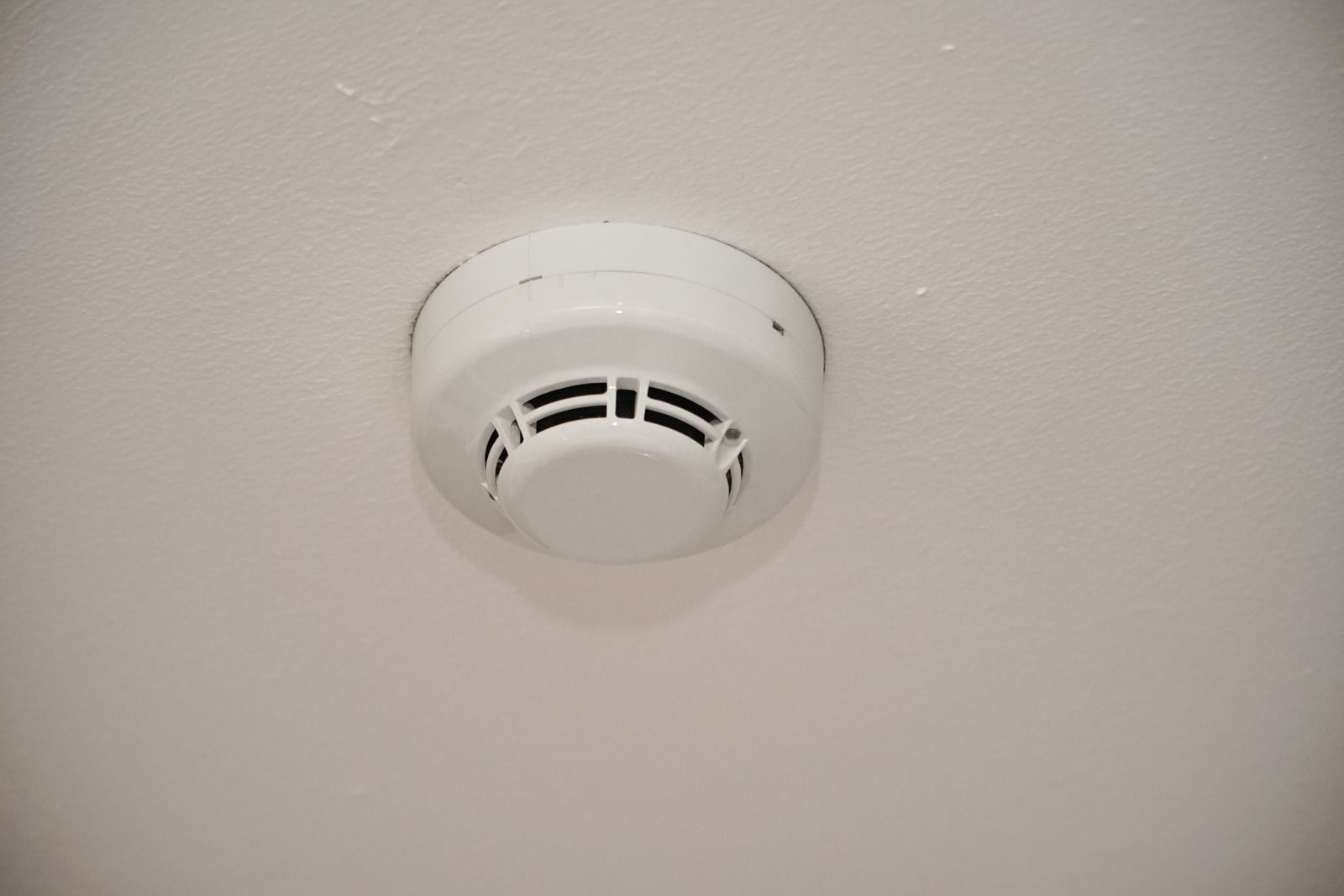
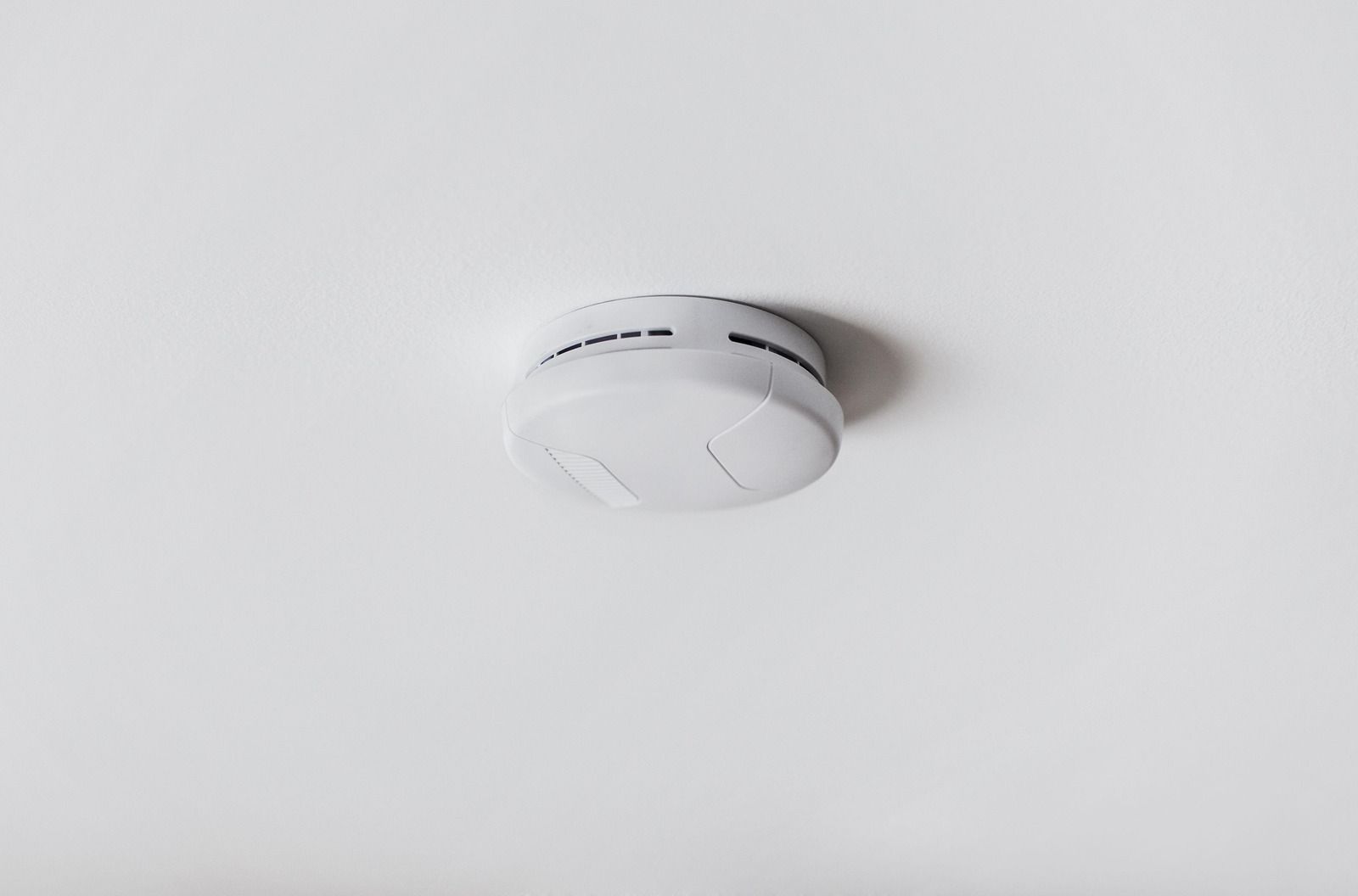
A DETECTOR IS THE CHEAPEST INSURANCE IN THE HOUSE, WHEN IT WORKS.
Working detectors are the difference between a small scare and a tragedy, and their whole job is to buy you the minutes that matter. That only happens when they are placed correctly, powered reliably, and wired to sound together. We put alarms where code and safety call for them, hardwire them into the circuit with battery backup, and interconnect them so a warning in the basement reaches the bedrooms upstairs.
It is quiet, essential work most people never think about until the night it protects them. We make sure that night is covered before it ever comes.
✓ Smoke alarms on every level and bedroom
✓ Carbon monoxide protection near sleeping areas
✓ Hardwired power with battery backup
✓ Interconnected so all alarms sound together
SMOKE AND CO DETECTORS
INTERCONNECTED ALARMS TURN ONE WARNING INTO A WHOLE-HOUSE WARNING.
A single standalone alarm can be sounding in the basement while the family sleeps two floors up and never hears it. Interconnection solves that. When every detector is wired to talk to the others, one unit sensing smoke or carbon monoxide sets off all of them at once, so the warning reaches every room in the same instant. We wire that link across the whole home, add battery backup so the alarms hold through an outage, and place each unit where it responds fast and avoids the nuisance trips that make people disconnect them.
OLDER ELIZABETHTON HOMES OFTEN RUN ALARMS THAT NO LONGER TALK.
Many houses across Carter County still rely on scattered battery units, expired alarms, or a mix that was never interconnected. Detectors also age out, losing sensitivity after about a decade whether or not they still chirp. We assess what a home currently has, replace what has expired, and bring the whole system up to a hardwired, interconnected standard that matches how the house is actually laid out and lived in, floor by floor.
EVERY ALARM WE HANG GETS TESTED BEFORE WE LEAVE.
An alarm that was installed but never verified is just a plastic disc on the ceiling, and in 22 years we have never left one that way. We confirm each unit is wired correctly, that the interconnection actually triggers every alarm, and that the battery backup takes over cleanly. That final walk, testing the system as a whole rather than one unit at a time, is what turns a bag of detectors into protection you can genuinely rely on.
WHAT PROPERLY WIRED DETECTORS GIVE YOU.
Earlier Warning
Detectors placed and powered correctly catch smoke or gas in its first minutes, when there is still time to act. Those early minutes are the entire point, and a dead alarm gives them away.
A Whole-House Alert
Interconnection means a warning anywhere sounds everywhere, so no one sleeps through an alarm in a distant room. It closes the deadliest gap in home fire safety, the alarm nobody could hear in time.
Protection From Invisible Gas
Carbon monoxide has no color or smell, so a working detector is the only warning a family gets. Placed near sleeping areas, it guards against a hazard that furnaces, water heaters, and cars produce.
Fewer False Alarms
Correct placement, away from cooking steam and bathroom humidity, cuts the nuisance trips that lead people to pull batteries. Alarms that are not constantly crying wolf are alarms a household actually leaves powered and ready.
A Home That Passes
Hardwired, interconnected detectors meet current code and satisfy the inspection required at many sales and rentals. Getting the system right removes a common closing day surprise and documents the home as genuinely up to standard.
Low Maintenance Peace Of Mind
Hardwired units with battery backup and long life sensors mean far fewer midnight chirps and dead alarms. Set up correctly once, the system quietly does its job for years with very little asked of you.
WHAT WE INSTALL
OUR SMOKE AND CO DETECTOR WORK.
From a single failing alarm to a full interconnected system, we install, wire, and test the detectors a home needs, placing each unit to code and confirming the whole network sounds together the way it should.
FIRST ALERT
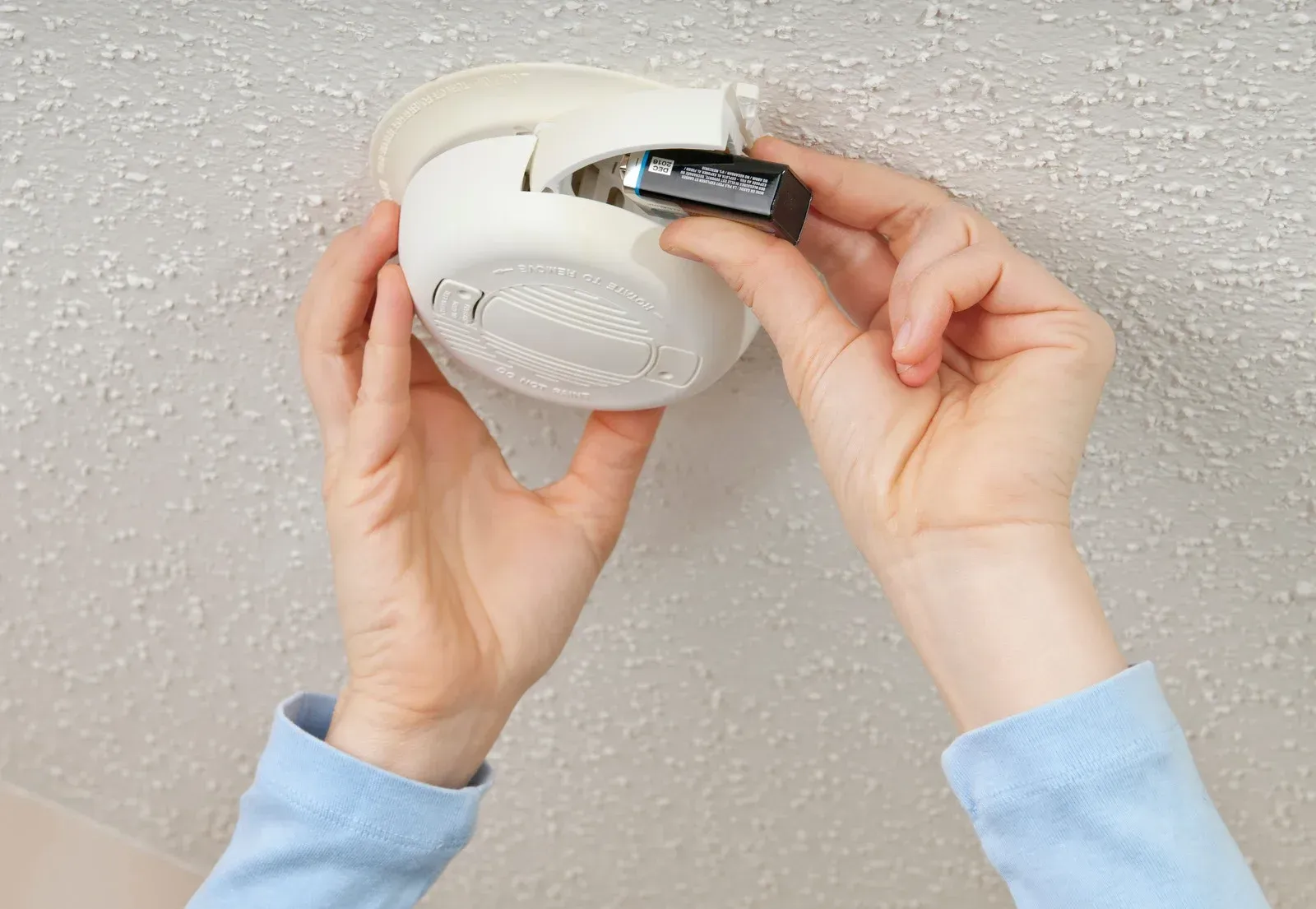
Hardwired Smoke Alarm Installation
We install smoke alarms wired into the home’s power with battery backup, placed on every level and in every bedroom. Hardwiring means they never go dead from a forgotten battery, and backup keeps them live through an outage.
SILENT THREAT
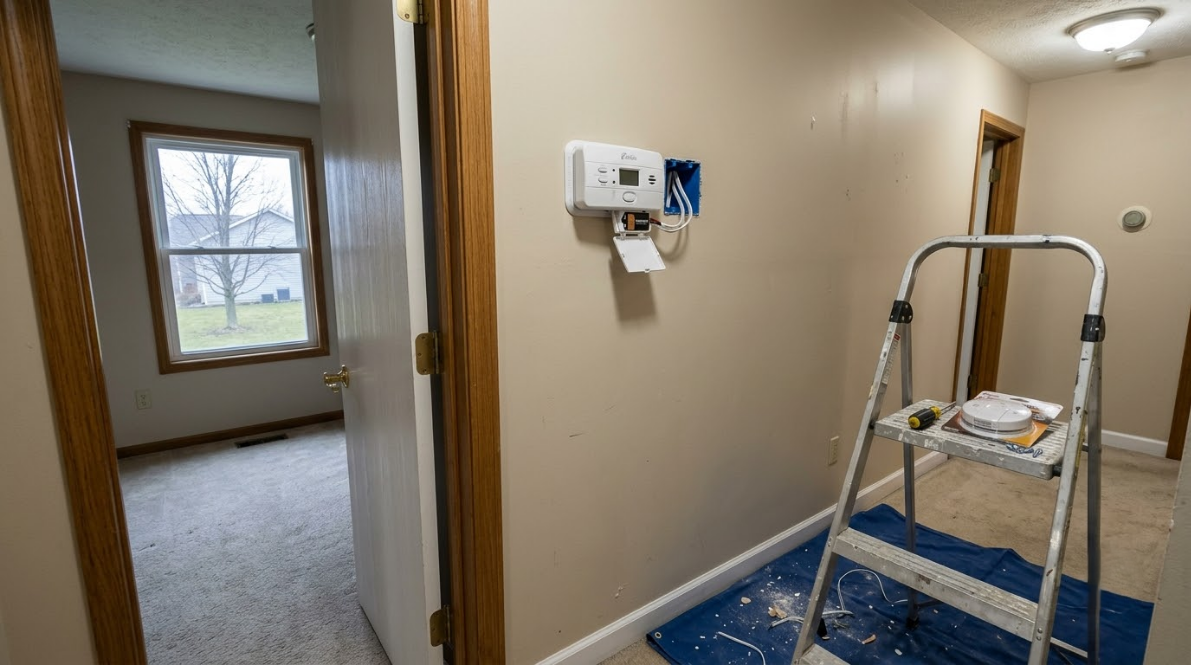
Carbon Monoxide Detector Installation
We install carbon monoxide alarms near sleeping areas and on each level, where the gas is most likely to reach people first. Proper placement and wiring turn an invisible, odorless hazard into an early, unmistakable warning.
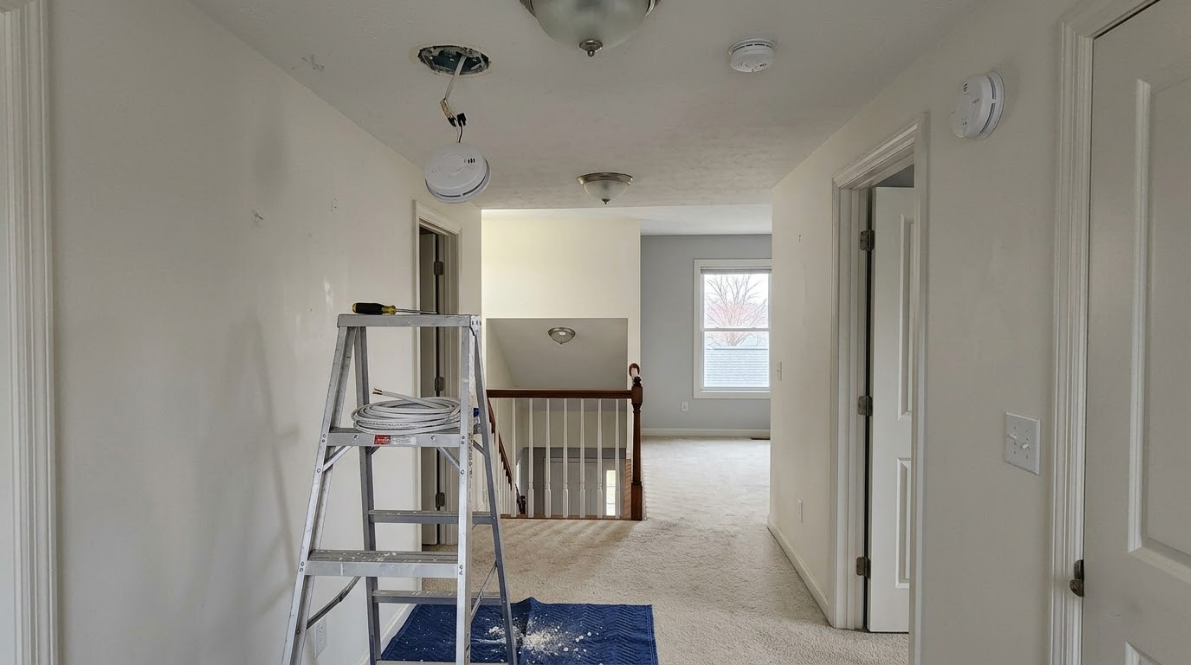
ALL AS ONE
Interconnected Alarm Wiring
We link every detector so that when one senses danger, all of them sound at once across the house. Wiring that interconnection is what guarantees a warning in one room reaches everyone, even two floors away.
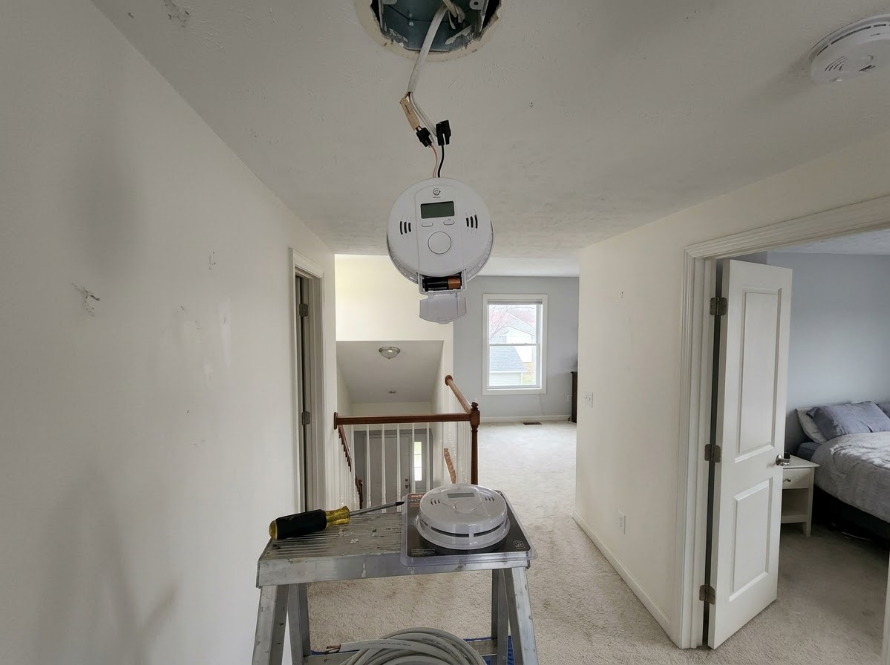
TWO IN ONE
Combination Smoke and CO Units
Where it fits the layout, we install combination units that sense both smoke and carbon monoxide in one device. Fewer devices on the ceiling means simpler coverage while still protecting against both hazards at every key spot.
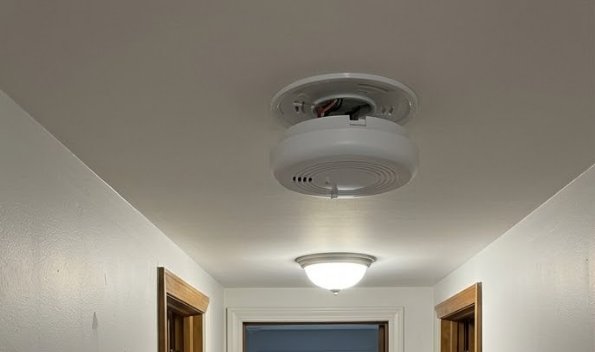
FRESH START
Detector Replacement and Relocation
Expired, chirping, or poorly placed alarms get replaced with current units and moved to correct locations. Since detectors lose sensitivity with age, refreshing them keeps the whole system responding the way it was meant to.
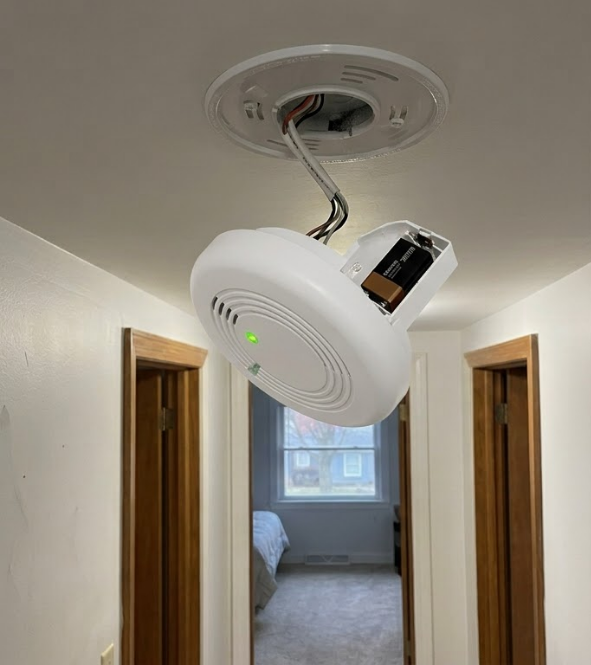
STEADY POWER
Battery Backup Integration
We wire each hardwired alarm with a battery backup so protection never drops during a power outage. It is the detail that keeps the system watching over the home exactly when a storm knocks the grid out.
Lorem ipsum dolor sit amet, consectetur adipiscing elit. Sed do eiusmod tempor incididunt ut labore et dolore magna aliqua. Ut enim ad minim veniam, quis nostrud exercitation ullamco laboris nisi ut aliquip ex ea commodo consequat.
THE WORD ON OUR WORK
WHAT OUR CLIENTS SAY.
Homeowners tell us they sleep better knowing every alarm in the house will sound together, not one lonely unit down the hall. Much of this work comes by referral from families who had us modernize their detectors and wanted the same peace of mind passed to a neighbor.
Common Questions
FREQUENTLY ASKED QUESTIONS.
The questions homeowners ask most about smoke and carbon monoxide detectors, covering placement, wiring, replacement timing, and getting a whole system to work together.
Where are smoke detectors required in a home?
Code generally requires a smoke alarm inside every bedroom, just outside each sleeping area, and on every level. NJC Electric places and wires detectors to that standard across Elizabethton, TN, giving the earliest possible warning wherever a fire might start in the home.
Do smoke detectors have to be hardwired?
New construction and major remodels require hardwired, interconnected alarms with battery backup. Existing homes are often allowed battery units, but hardwiring with interconnection is a meaningful upgrade because the alarms never die from a missing battery and always sound together.
What is the difference between hardwired and battery detectors?
Hardwired detectors draw power from the home’s wiring with a battery only as backup, while battery units rely entirely on that cell. Hardwired alarms can be interconnected to sound together and never go dark from a forgotten battery swap.
Where should carbon monoxide detectors be placed?
Carbon monoxide alarms belong near sleeping areas and on every level of the home so the gas is caught before it reaches people asleep. Since carbon monoxide mixes through the air, central hallway placement outside bedrooms works well for most layouts.
How often should smoke and CO detectors be replaced?
Smoke alarms should be replaced about every 10 years and carbon monoxide alarms every 5 to 7, since sensors lose accuracy with age. NJC Electric updates aging detectors across Elizabethton, TN, because a unit that still chirps may no longer detect real threats.
Should my smoke detectors be interconnected?
Yes, whenever possible. Interconnection means one alarm sensing danger sets off every alarm in the house at once. That single feature closes the most dangerous gap in home safety, an alarm sounding in a room where no one can hear it.
Why does my hardwired smoke alarm keep chirping?
Persistent chirping usually means a low backup battery, a unit past its lifespan, or dust inside the sensor. If a fresh battery and cleaning do not stop it, the alarm has likely aged out and the set should be evaluated for replacement.
What is a combination smoke and CO detector?
It is a single device that senses both smoke and carbon monoxide, protecting against two hazards from one spot on the ceiling. It simplifies coverage, though placement still has to suit both jobs, which is where correct installation matters.
HOW WE WORK
FROM FIRST CHECK TO FINAL TEST, HERE IS HOW.
STEP 01
We Assess The Home
We walk the home level by level, noting where alarms are, where they are missing, and which have aged out. That map tells us exactly what the layout needs to meet code and protect every sleeping area.
STEP 02
We Plan Coverage
You get a clear plan for detector types, locations, and interconnection, matched to your home’s layout. Settling placement up front means every room is covered and false alarm spots near kitchens and baths are avoided.
STEP 03
We Handle Any Permits
Where the work requires it, we pull the permit and coordinate inspection. Handling this keeps a full detector system documented and compliant, which also matters at a future home sale or rental inspection.
STEP 04
We Wire And Mount
We hardwire each alarm into the circuit with battery backup and mount it in its correct location. Clean wiring and proper placement are what let the system respond fast without the nuisance trips people learn to hate.
STEP 05
We Interconnect
We link every detector so a trigger anywhere sounds them all together across the house. This is the step that turns a set of separate alarms into one coordinated warning that reaches every room at once.
STEP 06
We Test The System
We trigger the system to confirm every alarm sounds, the interconnection works, and the battery backup takes over cleanly. You watch the whole network respond as one before we consider the job truly finished.
Get Your Free Estimate
PUT WORKING PROTECTION OVERHEAD, FREE.
If your alarms are aging, scattered, or not interconnected, bringing them up to standard is quick and genuinely important. Reach out through our contact page and we will assess your home and lay out a clear plan.
WHAT YOUR FREE ESTIMATE COVERS:
✓ A level by level check of your current alarms
✓ A coverage plan matched to your layout
✓ Hardwired detectors with battery backup
✓ Full interconnection so all alarms sound
✓ Correct placement to cut false trips
✓ A tested system before we call it done