
Conduit EMT, PVC, and Rigid
CONDUIT EMT, PVC, AND RIGID in Elizabethton, TN
The conduit a job needs is decided by where the wire travels, since EMT suits dry interior walls, PVC resists underground and wet runs, and rigid metal takes the hits in exposed spots. NJC Electric runs EMT, PVC, and rigid conduit across Elizabethton, TN, matching the raceway to the setting so your conductors stay protected and compliant wherever they go.
CONDUIT IS THE ARMOR THAT KEEPS WIRING SAFE WHERE IT IS EXPOSED.
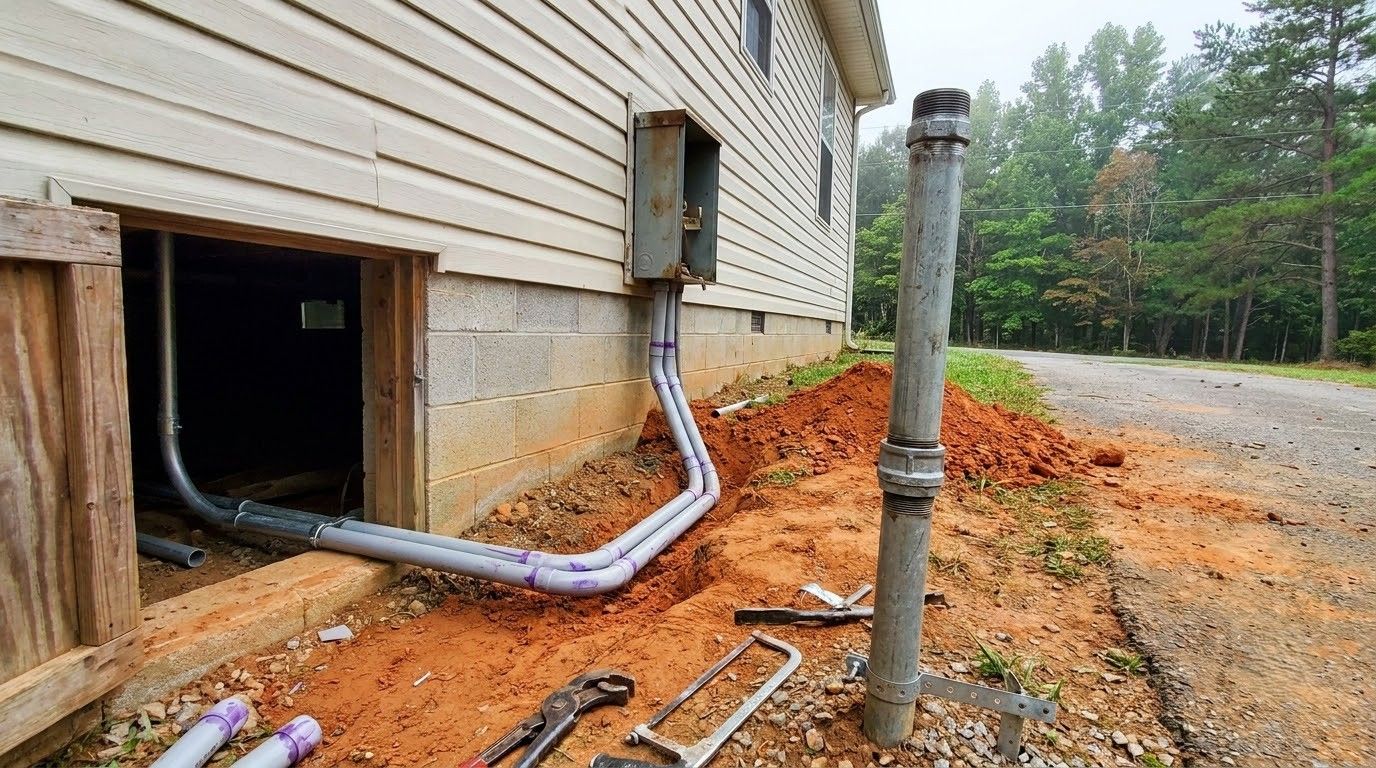
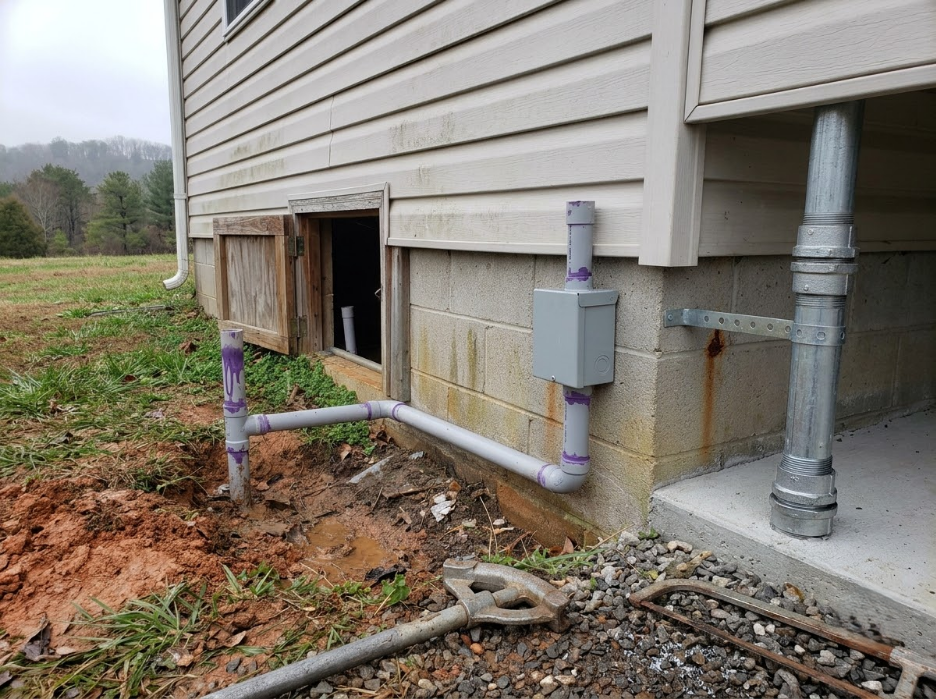
Wire hidden in a finished wall is one thing, but the moment a circuit runs through a garage, a shop, a wet-area, or underground, it needs a raceway around it. Conduit shields conductors from impact, moisture, rodents, and sunlight, and it gives every run a defined, protected path back to the panel. We choose the material for the exposure, bend and support it to code, and leave clean, accessible runs that can be pulled again years later. A properly run raceway is both a safety feature and a convenience, protecting the wire today and making tomorrow’s changes simple.
Sloppy conduit is obvious to anyone who opens the panel, and we do not leave it that way.
✓ Raceway matched to the exposure
✓ Clean bends and proper support
✓ Correct fill and future pull capacity
✓ Metal conduit bonded and grounded
CONDUIT EMT, PVC, AND RIGID
THE RIGHT RACEWAY DEPENDS ENTIRELY ON WHERE THE WIRE HAS TO GO.
There is no single best conduit, only the right one for the run. Thin wall EMT is clean and economical for dry interior and garage walls. PVC shrugs off moisture and corrosion, which makes it the choice for underground and wet locations. Rigid metal takes real physical abuse where a run is exposed to impact or harsh conditions. We read the environment first, then select and install the material that fits, sizing it for the conductors and for the pulls you might need later. The result is wiring protected exactly the way its setting demands, with no shortcuts and no guesswork.
SHOPS, BARNS, AND LAKESIDE RUNS AROUND ELIZABETHTON NEED PROTECTED WIRING.
Rural and lakeside properties across Carter County are full of the runs conduit was made for, feeds to detached shops and barns, underground lines to docks and outbuildings, and circuits exposed to weather and equipment. Each setting calls for a different raceway and burial or support method. We handle that range regularly, choosing EMT, PVC, or rigid to suit the exposure so a workshop feeder, a buried run to the water, and an exposed machine circuit each get protection built for exactly where they live.
STRAIGHT, CLEAN CONDUIT IS A HABIT WE NEVER BROKE.
Good conduit work shows, and after 22 years we still take pride in bends that line up and runs that sit true. Beyond appearance, disciplined conduit means correct fill, proper support spacing, and bonding that keeps a metal raceway safe, all the details that separate a lasting install from a rushed one. That habit is why our runs pass inspection cleanly and why the next electrician who opens the box can actually work with what we left behind.
WHAT PROPERLY RUN CONDUIT DELIVERS.
Real Physical Protection
Conduit shields conductors from impact, tools, and rodents in the spots most likely to damage bare cable. In a garage, shop, or exposed run, that armor keeps a nick from becoming a short or shock.
Resistance To The Elements
The right raceway keeps moisture, sun, and corrosion away from the wire in wet and buried locations. PVC underground and proper fittings outdoors mean a run that survives the conditions that would ruin unprotected cable.
Code Compliant Runs
Exposed, underground, and wet location circuits are required to be in conduit, and we install to those rules. A compliant raceway passes inspection and protects you from the risks and liabilities that improper wiring invites.
Easy Future Changes
Because conduit is a defined pathway, new or replacement conductors can be pulled through it later without opening walls. Sizing the run with spare capacity turns tomorrow’s upgrade into a simple pull, not a rewire.
A Clean, Professional Look
Straight, well-supported conduit reads as careful work to anyone who sees the run. That tidiness is not just cosmetic, it reflects the correct spacing, support, and fill that make the install safe.
Safe, Bonded Metal
Where we run metal conduit, we bond and ground it properly so the raceway itself cannot become a shock hazard. Correct bonding lets the system clear a fault safely instead of energizing the pipe.
WHAT WE INSTALL
OUR CONDUIT AND RACEWAY WORK.
From a short garage run to a buried feed across the property, we install the right conduit for each setting, sizing, bending, and supporting it to code so your wiring is protected and ready for future changes.
INDOOR DRY
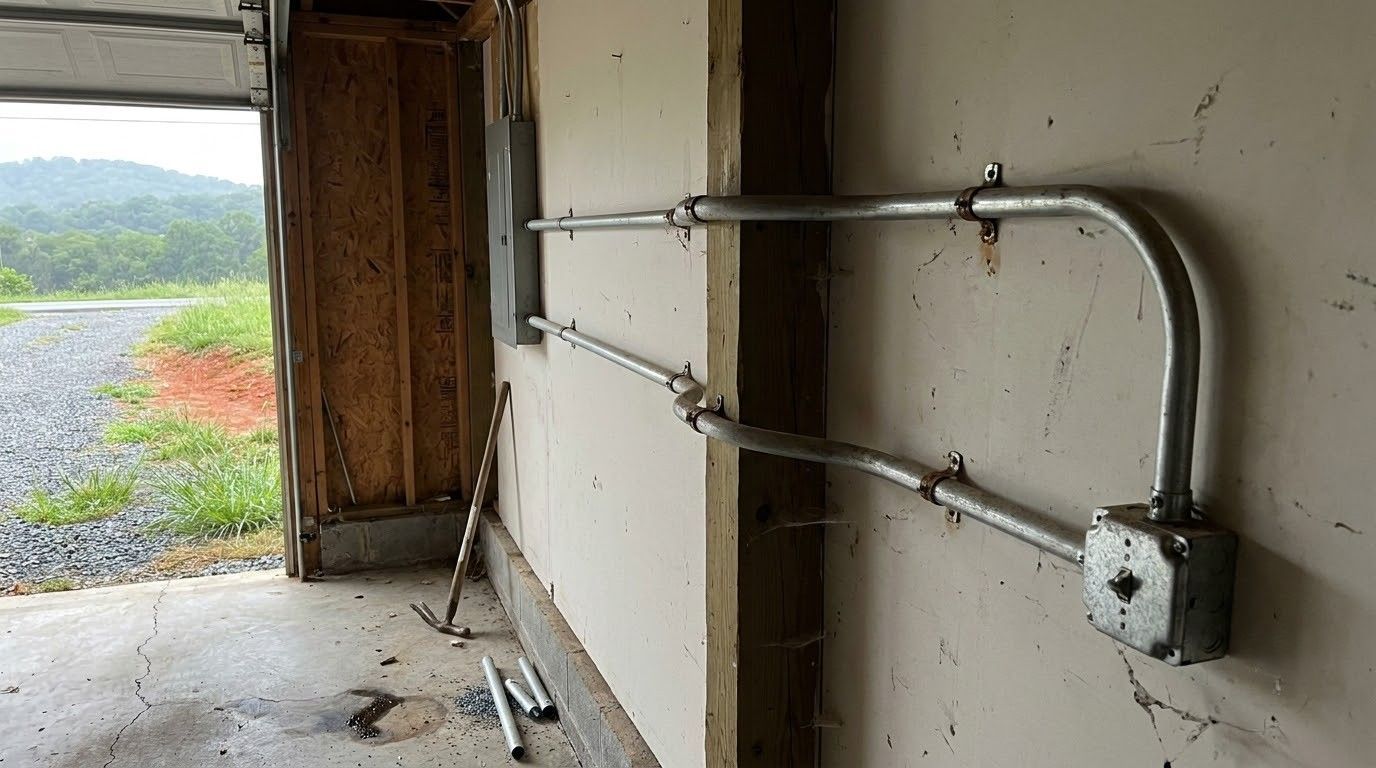
EMT Thin-Wall Conduit
For dry interior and garage runs, we install EMT, bending and supporting it cleanly for a tidy, economical raceway. It protects conductors well in protected spaces and leaves an accessible path for later changes.
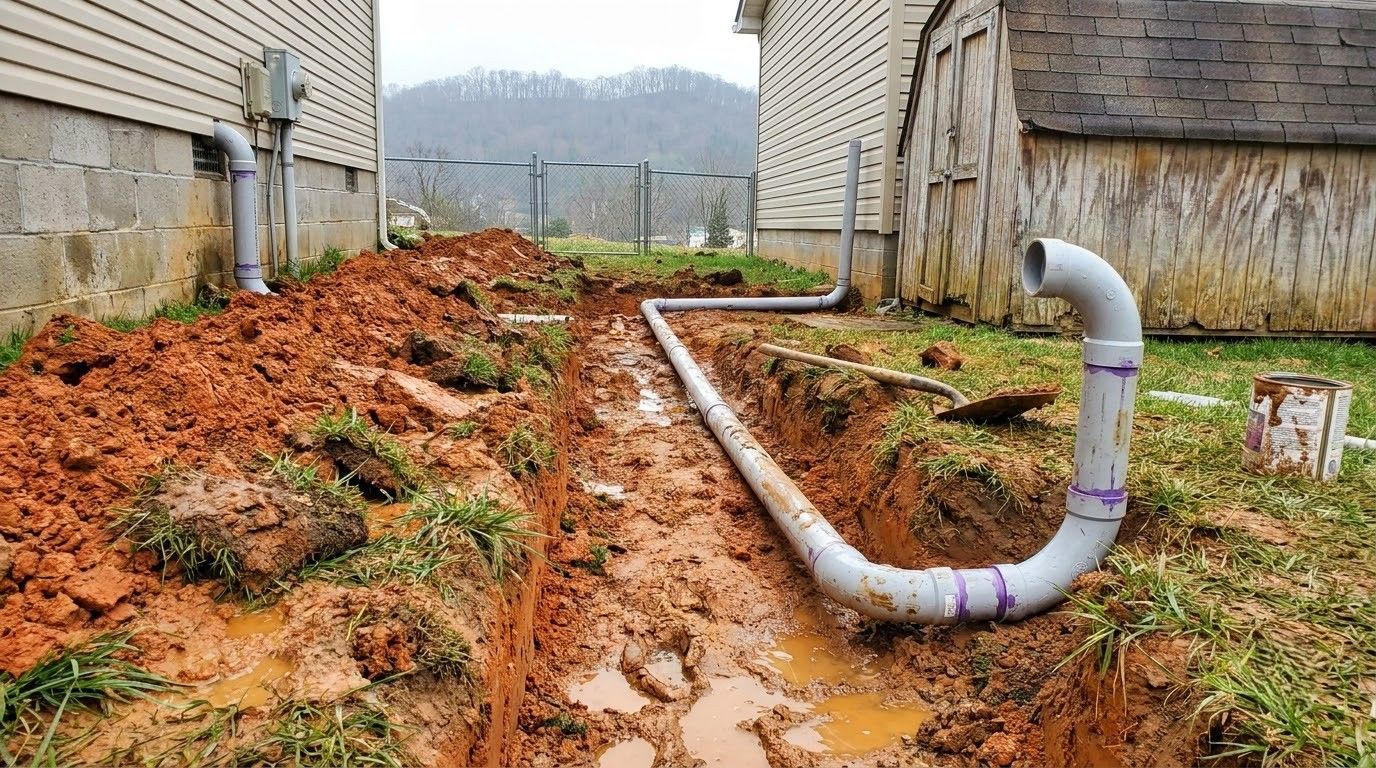
WET AND BURIED
PVC and Underground Conduit
For underground and wet locations, we run PVC that resists corrosion and moisture the way metal cannot. We bury it to the required depth with proper fittings so feeds to outbuildings and docks last for decades.
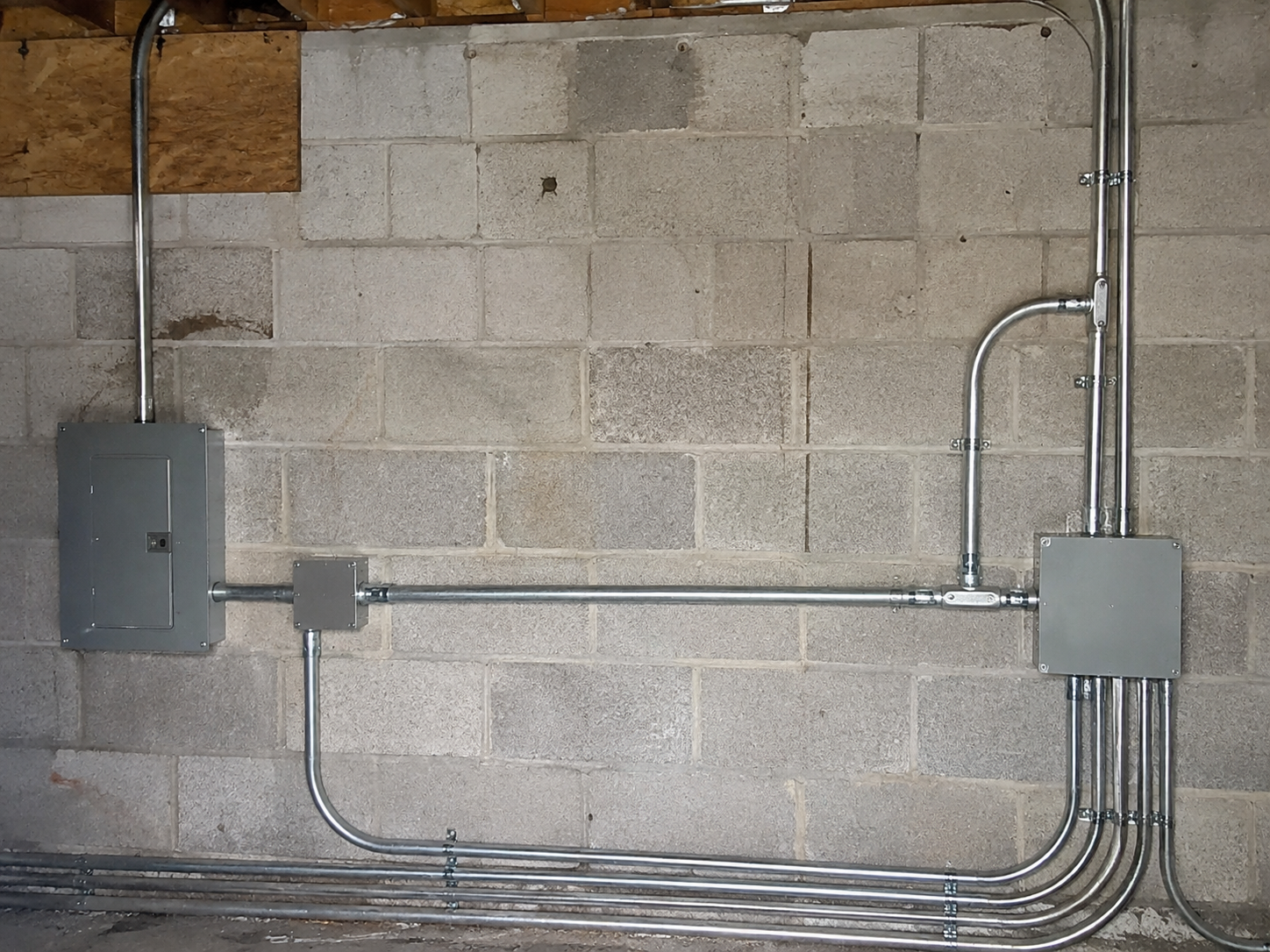
HEAVY DUTY
Rigid Metal Conduit
Where a run faces real impact or harsh exposure, we install rigid metal conduit for maximum protection. Its thick wall takes abuse that would crush lighter raceway, making it right for exposed and demanding locations.
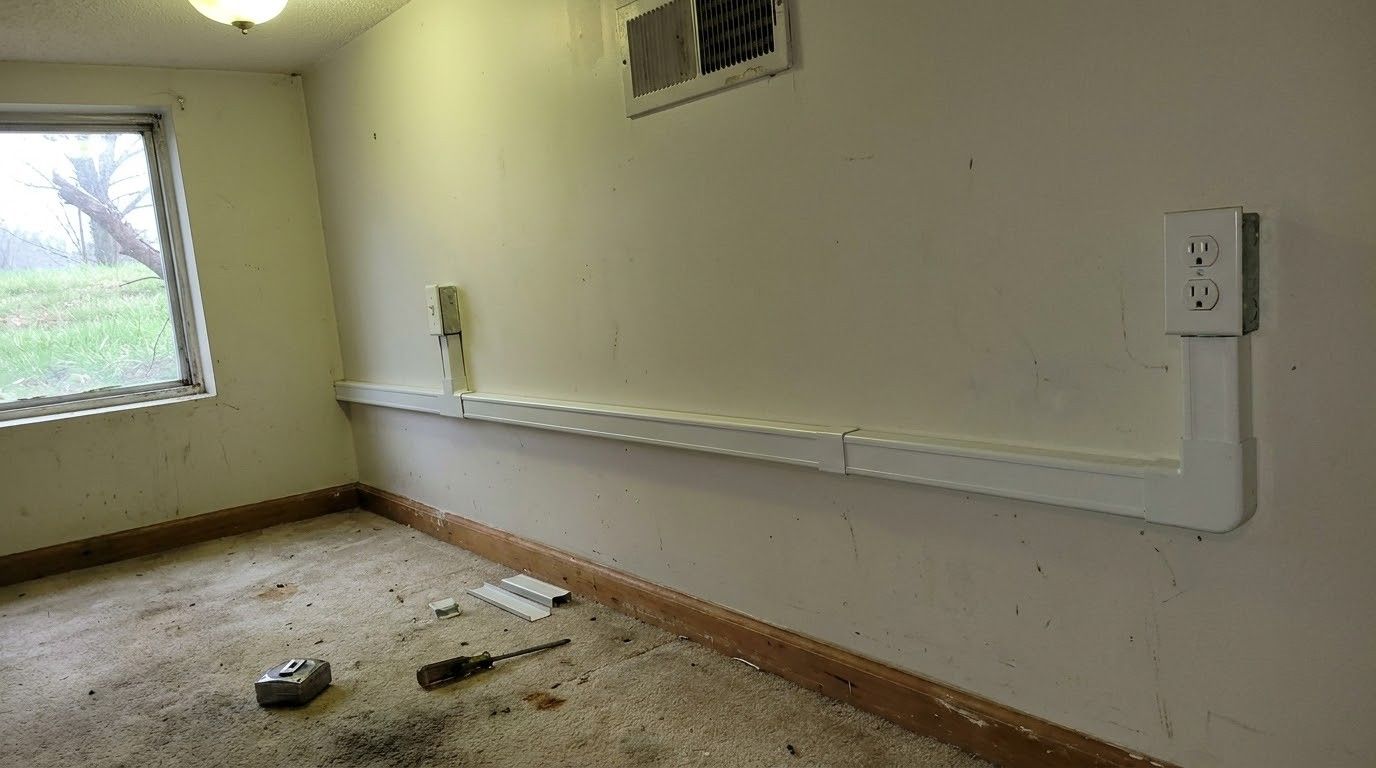
ON THE SURFACE
Exposed and Surface Raceway
For finished spaces where opening walls is not an option, we run surface mounted raceway to add outlets and circuits neatly. It routes power along the wall cleanly without the mess of cutting into completed drywall.
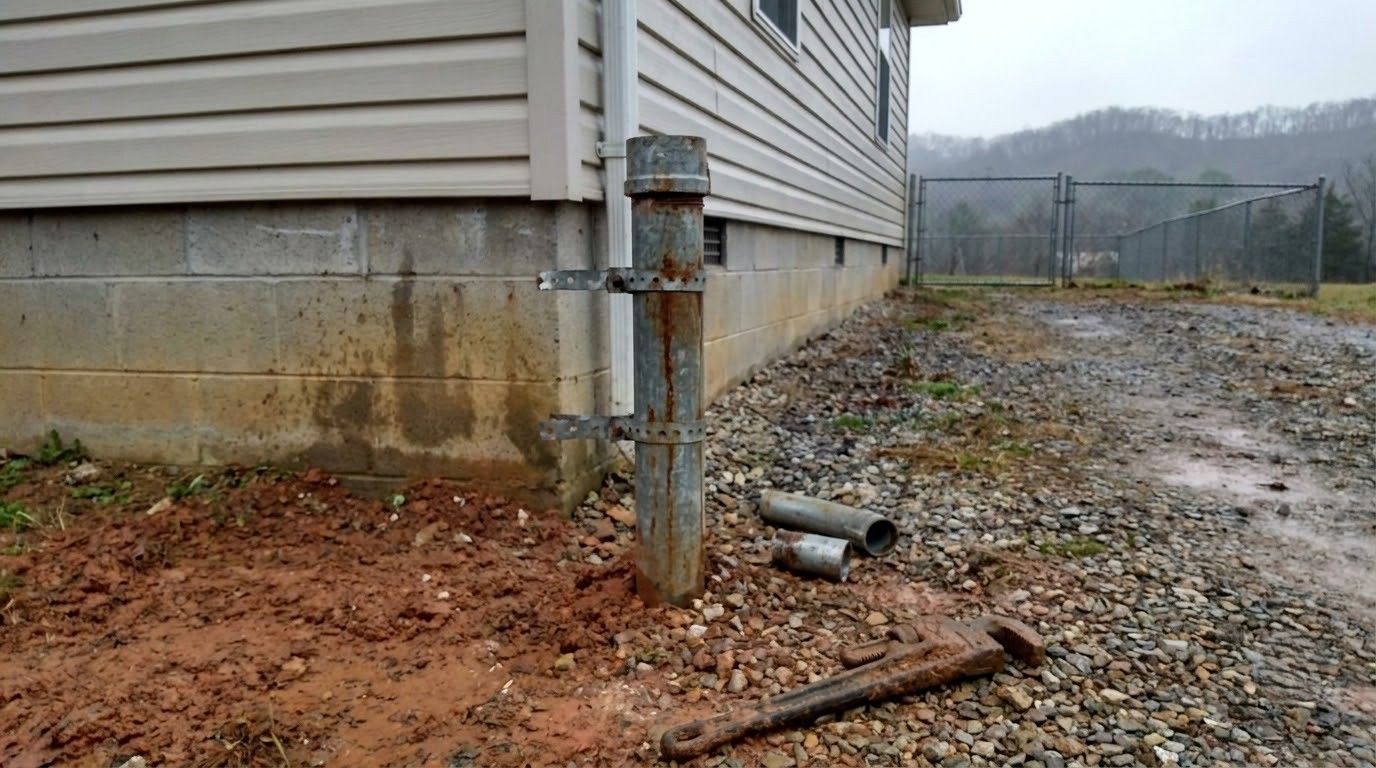
BIG FEEDS
Panel and Machine Feeders
We run conduit for panel feeders, subpanels, and heavy equipment circuits, sized for the load and the pull. Proper raceway and fill on these larger runs keep the conductors cool, protected, and serviceable.
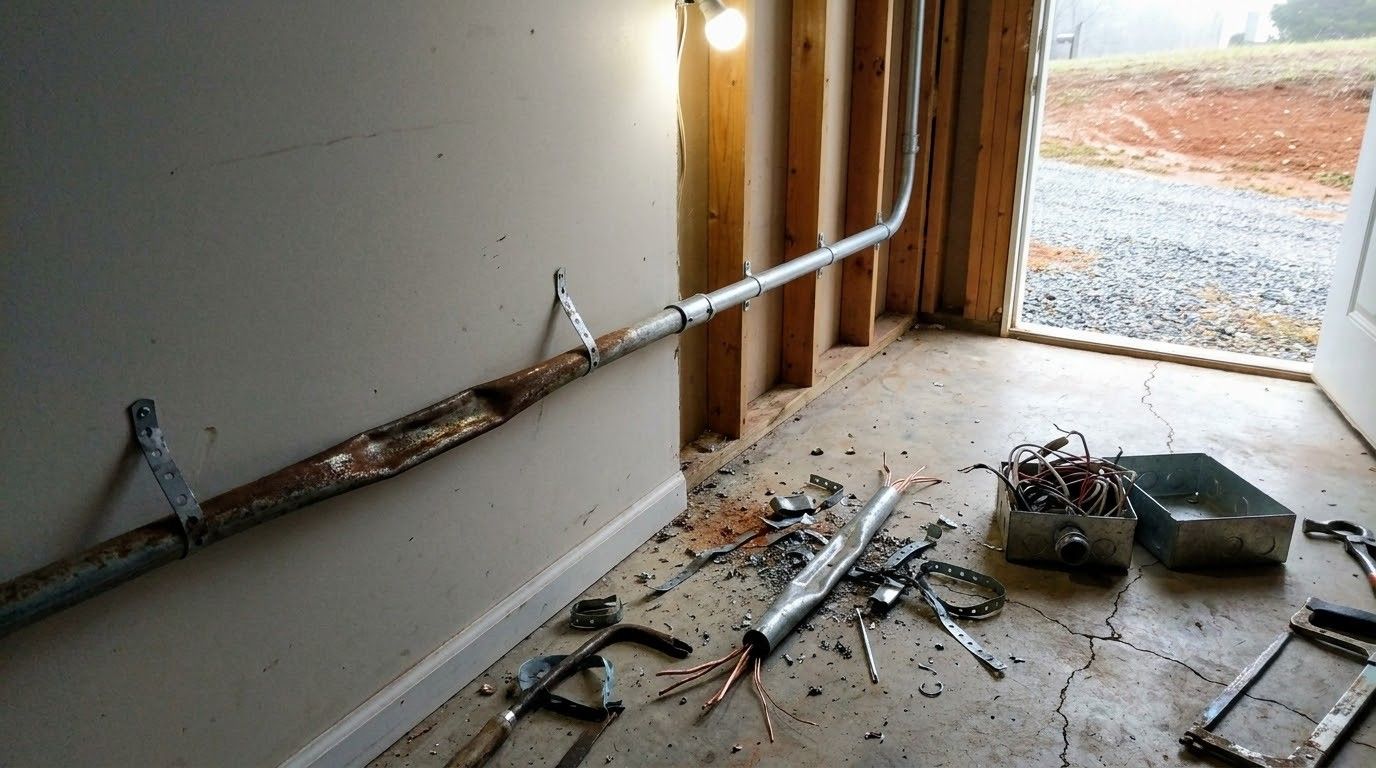
FIX AND REROUTE
Conduit Repair and Rerouting
Damaged, undersized, or poorly routed conduit gets repaired or rerouted to a clean, code-compliant path. We correct crushed runs and overfilled raceway so the circuit is safe and easy to work with again.
Lorem ipsum dolor sit amet, consectetur adipiscing elit. Sed do eiusmod tempor incididunt ut labore et dolore magna aliqua. Ut enim ad minim veniam, quis nostrud exercitation ullamco laboris nisi ut aliquip ex ea commodo consequat.
THE WORD ON OUR WORK
WHAT OUR CLIENTS SAY.
Clients and other trades tell us they can spot our conduit by how straight it runs and how easy it is to work with later. A steady share of this work comes by referral from builders and property owners who valued a run done cleanly and wanted the same on their next project.
Common Questions
FREQUENTLY ASKED QUESTIONS.
The questions property owners ask most about conduit, covering the differences between materials, where each is required, and how protected wiring should be run.
What is the difference between EMT, PVC, and rigid conduit?
EMT is thin-wall steel for dry, protected indoor runs. PVC is nonmetallic and resists corrosion, making it ideal for wet and underground use. Rigid metal is thick walled for maximum impact protection in exposed or harsh locations. Each fits a different setting.
When is conduit actually required?
Conduit is generally required where wiring is exposed to physical damage, moisture, or sunlight, such as garages, exteriors, and underground runs. NJC Electric installs protected raceway across Elizabethton, TN wherever a run needs it, while finished interior walls often use cable instead.
Which conduit is best for underground wiring?
PVC is the usual choice underground because it resists the moisture and corrosion that attack metal in soil. It is buried to a required depth with proper fittings, and we size and install it so a run to an outbuilding or dock lasts.
Can EMT be used outdoors?
EMT can be used outdoors with the right fittings, but it is better suited to dry, protected areas. In wet or corrosive spots, PVC or rigid metal usually holds up better. We match the material to the exposure so the run lasts.
What conduit is best for a garage or workshop?
For most garages and shops, EMT gives clean, affordable protection for wiring along exposed walls. Where machinery or impact is a concern, rigid metal adds toughness. We choose based on how the space is used and what the circuits face.
How deep does underground conduit need to be buried?
Burial depth depends on the conduit type and what the circuit feeds, with common minimums measured in inches below grade. We bury each run to the depth code requires for its material and use, so it stays protected and compliant.
Does metal conduit need to be grounded?
Yes. Metal conduit must be properly bonded and grounded so it cannot become energized during a fault. NJC Electric bonds every metal raceway to code on installs across Elizabethton, TN, so the system clears faults safely instead of energizing the pipe.
Can you pull new wires through existing conduit?
Often yes, which is one of conduit’s main advantages. If the raceway has spare capacity and is in good shape, we can pull new or additional conductors without opening walls. We check fill and condition before adding to an existing run.
HOW WE WORK
FROM ROUTE TO FINAL PULL, HERE IS HOW.
STEP 01
We Assess The Route
We look at where the wiring has to go and what it will face, indoors, outdoors, buried, or exposed. That environment decides the conduit material, size, and support method before any pipe is cut.
STEP 02
We Plan And Size
You get a clear plan covering the raceway type, route, and any burial or support work. We size the conduit for the conductors and for future pulls so the run has room to grow.
STEP 03
We Handle Permits
Where the work requires it, we pull the permit and schedule the required inspection. Managing this properly keeps larger conduit and feeder projects fully documented and compliant from the very first day of the job.
STEP 04
We Run The Conduit
We bend, route, and support the conduit cleanly to code, burying or mounting it as the setting requires. Straight runs, correct fittings, and proper spacing are what make the raceway both safe and serviceable.
STEP 05
We Pull And Bond
We pull the conductors, keep the fill within limits, and bond metal raceway properly so it stays safe. Careful pulling protects the wire insulation and leaves the run ready to work reliably for years.
STEP 06
We Test And Inspect
We verify the circuit, confirm bonding and grounding, and walk larger runs through inspection. You are left with protected wiring that meets code and can be worked on easily years down the road.
Get Your Free Estimate
GET YOUR WIRING PROTECTED THE RIGHT WAY, FREE.
Whether you are feeding a shop, burying a line to the water, or protecting an exposed run, the right raceway starts with a free look. Reach out through our contact page and we will assess the route and the work.
WHAT YOUR FREE ESTIMATE COVERS:
✓ A review of the route and exposure
✓ The right conduit material for the setting
✓ Correct sizing for conductors and future pulls
✓ Proper burial, support, and bonding
✓ Permits and inspection where required
✓ Clean, straight, serviceable finished runs