

Electric Heat
ELECTRIC HEAT in Elizabethton, TN
A 240-volt, 20-amp circuit carries only so much baseboard heat, which is why circuit sizing decides whether a room stays warm or a breaker keeps tripping. NJC Electric wires electric heat across Elizabethton, TN, from baseboard and wall heaters to electric furnaces and radiant floors, sizing each dedicated circuit to the heater so the heat stays steady and truly safe.
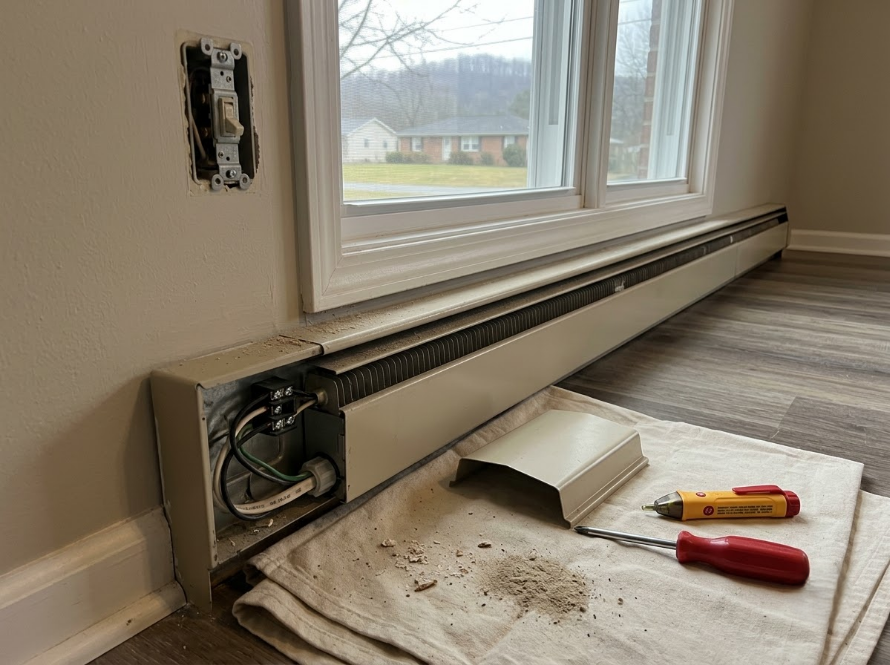
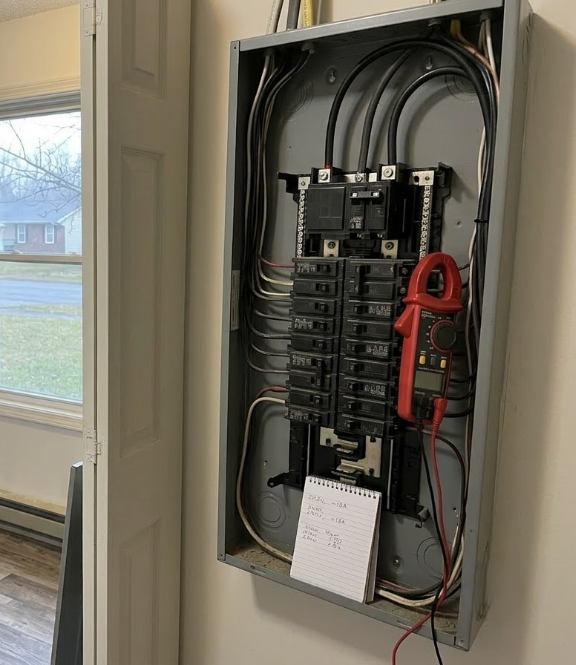
ELECTRIC HEAT ONLY FEELS RIGHT WHEN THE CIRCUIT IS SIZED RIGHT.
Electric heaters pull a heavy, steady load for hours at a time, and that is exactly where undersized or shared circuits fail. Wire a heater to a circuit that cannot carry it and you get nuisance trips, warm connections, and a room that never quite warms up. We calculate the wattage, run a dedicated circuit sized to it, and match the breaker and wire so the heater delivers its full output without strain. Whether it is one baseboard unit or heat for a whole addition, the electrical side is built to carry the load all winter.
Good heat is really a wiring question first. We answer it before the cold does.
✓ Dedicated circuits sized to the heater wattage
✓ Baseboard, wall, furnace, and radiant heat
✓ Line-voltage thermostats wired correctly
✓ Steady, trip-free warmth through winter
ELECTRIC HEAT
THE WRONG CIRCUIT TURNS GOOD HEAT INTO A TRIPPED BREAKER.
A heater is only as reliable as the circuit feeding it, and electric heat is unforgiving of shortcuts. Too many feet of baseboard on one circuit, an undersized wire, or a thermostat wired for the wrong voltage all show up as tripped breakers and cold rooms on the coldest nights. We size each circuit to the heater’s real draw, keep the load within safe limits, and wire the thermostat to match, whether it switches line voltage directly or controls a separate contactor. The result is heat that comes on the moment you call for it and holds without a fight.
COLD SNAPS IN CARTER COUNTY PUSH ELECTRIC HEAT HARD.
Winters here bring stretches cold enough to run electric heat flat out for days, and that sustained demand is exactly when weak wiring gives up. A circuit that coped in mild weather can trip repeatedly once every heater is running at once. We wire electric heat for that peak, not the average, so a home across the Elizabethton area keeps every room warm through the coldest week without resetting breakers or nursing along a circuit that was never sized for the season.
SIZING HEAT IS WHERE MOST OF THE MISTAKES HAPPEN.
Plenty of electric heat problems trace back to a circuit that was guessed at rather than calculated, and 22 years of fixing them has made us careful. We work out the wattage, the safe circuit capacity, and the right number of heaters per run before anything is wired. That math, done up front, is what separates heat that runs quietly all winter from a system that trips every time the temperature drops and the whole house calls for warmth at once.
WHAT PROPERLY WIRED ELECTRIC HEAT DELIVERS.
Warmth On Demand
A correctly sized circuit lets a heater reach full output the moment the thermostat calls. No waiting on a strained circuit, no tripping on the coldest night, just heat when you want it.
Room By Room Comfort
Electric heat lets each space run on its own thermostat, so you warm the rooms you use and leave the rest low. Zoned control puts comfort where you need it without heating the whole house.
Safe, Dedicated Circuits
A dedicated circuit sized to the heater runs cool and steady instead of overheating a shared line. Proper wiring removes the warm connections and repeated trips that turn an overtaxed circuit into a hazard.
No Combustion Worries
Electric heat produces no flame, no fuel line, and no combustion gases, so there is nothing to vent and no carbon monoxide risk. For additions and tight spaces, that clean operation is a genuine advantage.
Easy To Add Anywhere
Because it needs only a circuit, electric heat drops into an addition, garage, or back room without ductwork. It is often the simplest way to warm a space the main system never reached.
Precise, Efficient Control
Modern thermostats hold a room at a set temperature and set back when it is empty. Wired correctly, that keeps rooms comfortable without wasting heat on space no one is using.
WHAT WE INSTALL
OUR ELECTRIC HEAT WORK.
From a single baseboard unit to heat for a whole addition, we wire the circuits, heaters, and controls each space needs, sizing every dedicated circuit to the load so the warmth is steady, safe, and trip free.
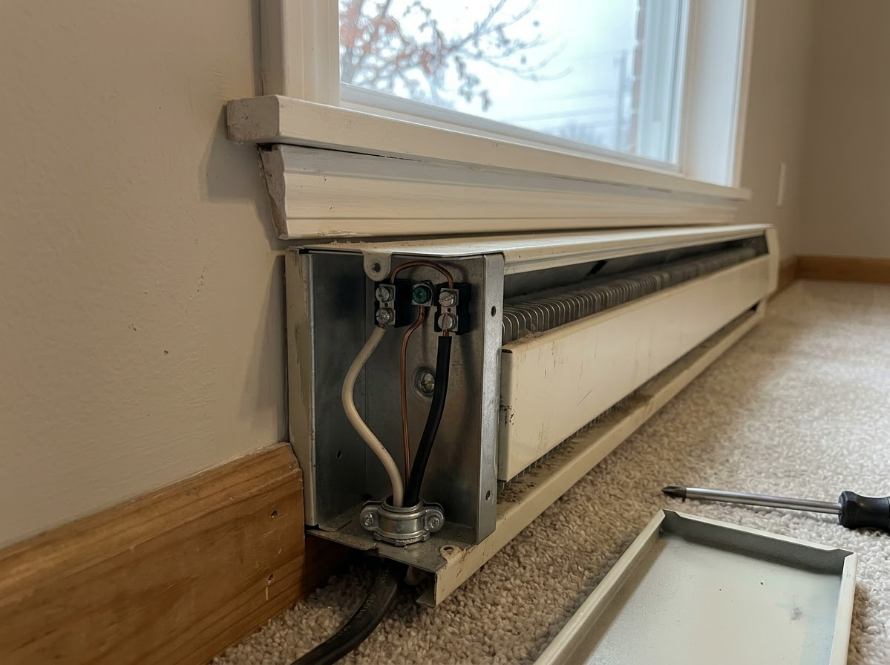
ROOM HEAT
Electric Baseboard Heater Wiring
We wire baseboard heaters on properly sized dedicated circuits, keeping the total load per run within safe limits. Correct sizing is what lets a baseboard deliver steady heat without tripping the breaker on the coldest nights.
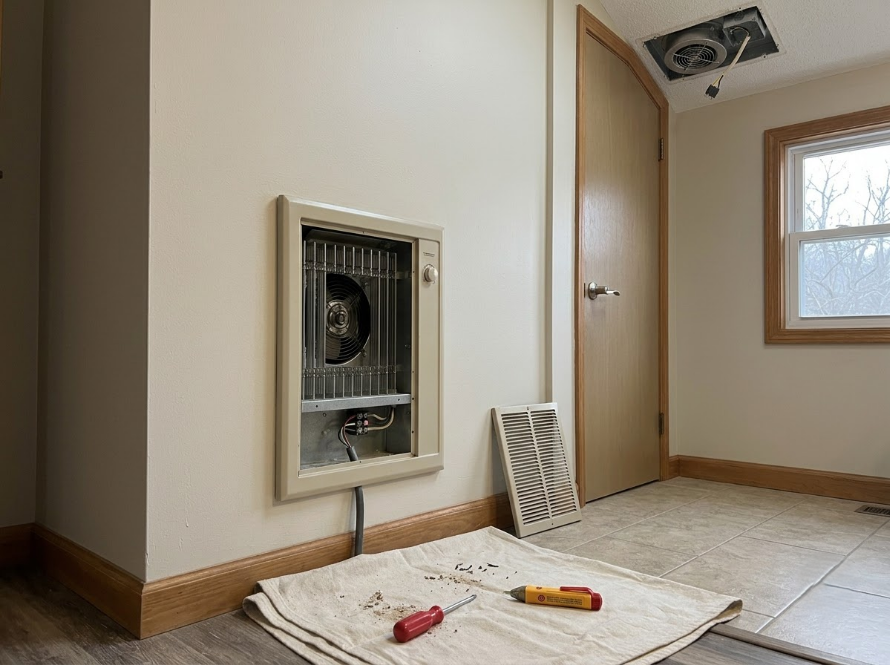
QUICK WARMTH
Wall and Ceiling Heater Installation
We wire in-wall and ceiling heaters for bathrooms, entryways, and small rooms that need fast, focused heat. Each gets a circuit sized to its wattage so it warms the space quickly without overloading the line.
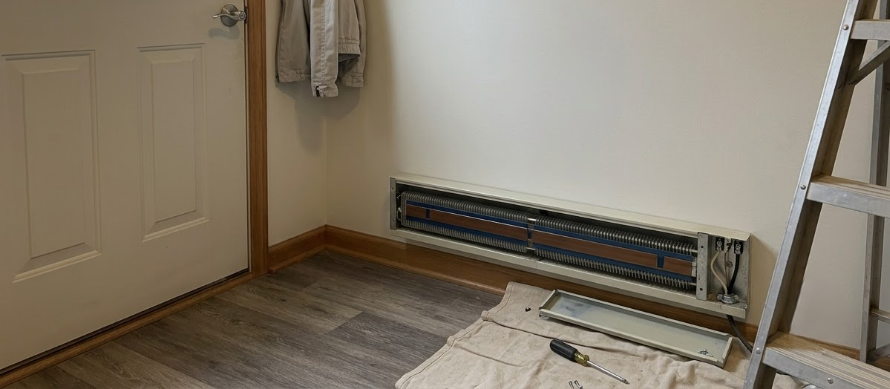
WHOLE SPACES
Electric Furnace Circuit Wiring
Electric furnaces draw a large, sustained load that needs a correctly sized high capacity circuit. We wire the service, breaker, and connection to carry that demand safely so the furnace heats the whole home reliably.
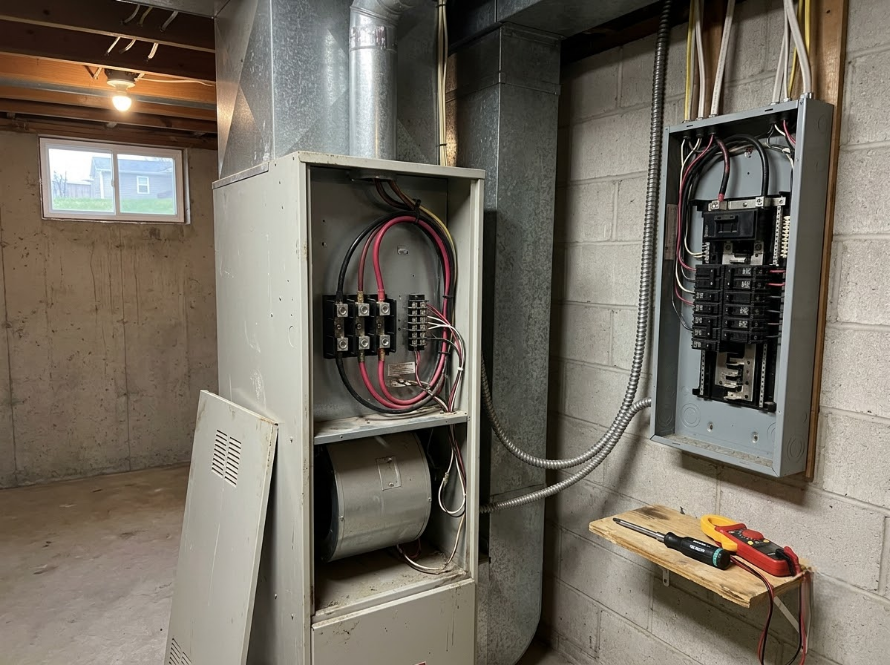
UNDERFOOT
Radiant Floor Heat Wiring
We wire electric radiant floor systems and their controls so the warmth rises evenly from the floor up. Proper circuit sizing and thermostat wiring give bathrooms and additions comfortable, quiet heat with nothing visible in the room.
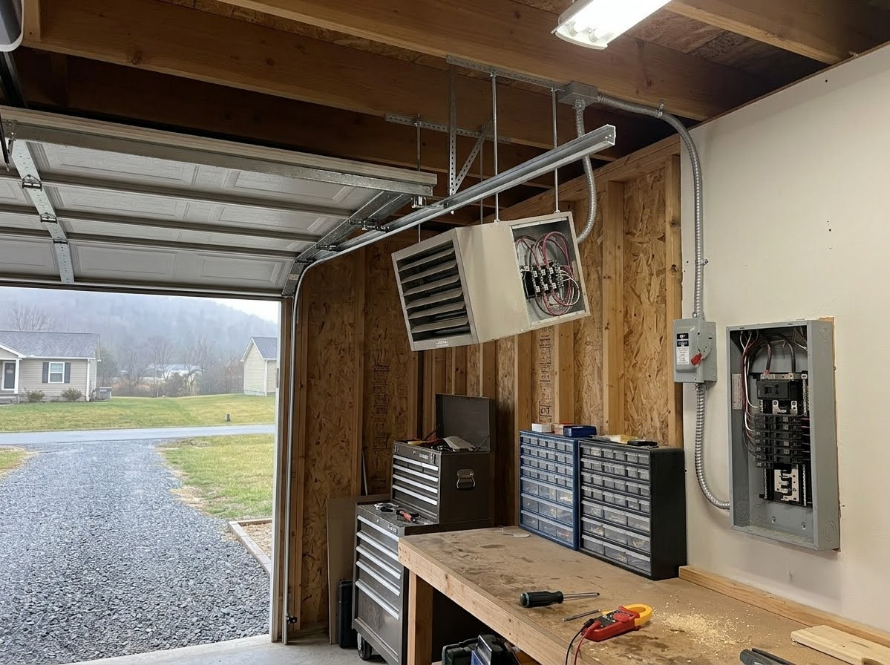
SHOP HEAT
Garage and Shop Unit Heaters
We wire dedicated circuits for garage and shop unit heaters built to warm large, uninsulated spaces. Sizing the circuit to the heater keeps it running strong through a work session without straining the panel or the wiring.
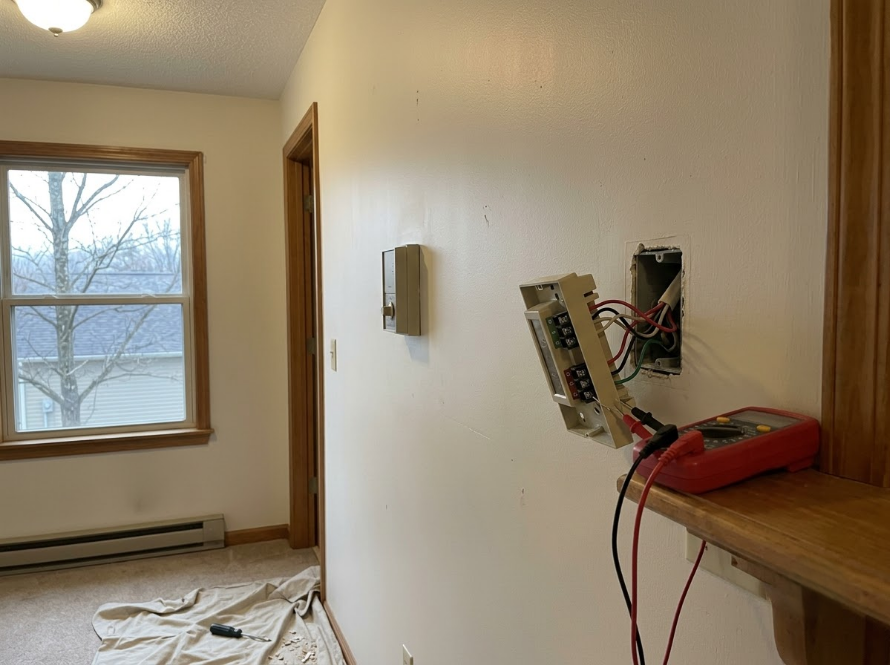
FINE CONTROL
Thermostat and Control Wiring
We install and wire thermostats matched to each heater, whether they switch line voltage directly or run through a contactor. Correct control wiring is what makes the heat responsive, accurate, and easy to set for every room.
Lorem ipsum dolor sit amet, consectetur adipiscing elit. Sed do eiusmod tempor incididunt ut labore et dolore magna aliqua. Ut enim ad minim veniam, quis nostrud exercitation ullamco laboris nisi ut aliquip ex ea commodo consequat.
THE WORD ON OUR WORK
WHAT OUR CLIENTS SAY.
Clients tell us the value became obvious the first summer a storm rolled through and their electronics simply kept working. A steady share of this work comes by referral from homeowners who lost gear once, protected the home properly, and never wanted a neighbor to learn it the hard way.
Common Questions
FREQUENTLY ASKED QUESTIONS.
The questions homeowners ask most about electric heat, covering circuit sizing, dedicated lines, thermostats, and getting reliable warmth without tripping breakers.
What size circuit does an electric baseboard heater need?
Most baseboard heaters run on a 240-volt circuit sized to their wattage, often a 20-amp circuit for a moderate run. NJC Electric sizes the breaker and wire to the load across Elizabethton, TN, since an undersized circuit is exactly what causes tripping.
Do electric heaters need a dedicated circuit?
Larger heaters and most permanent installations do, because they draw a heavy, sustained load that would overwhelm a shared circuit. A dedicated line keeps the heat steady and stops the heater from tripping breakers or interfering with other devices on the circuit.
How many baseboard heaters can go on one circuit?
It depends on their combined wattage against the circuit’s safe capacity, not on a fixed number. We add up the load and keep it within the limit, which often means a couple of shorter heaters per circuit or a single long one.
What is the difference between line-voltage and low-voltage thermostats?
A line-voltage thermostat switches the full 120 or 240 volts running to the heater directly, while a low-voltage thermostat controls a separate relay or contactor. Baseboard and wall heaters usually use line voltage, and we wire whichever the system calls for.
Why does my electric heater keep tripping the breaker?
Repeated tripping usually means the circuit is overloaded, undersized, or has a loose or failing connection. The heater may be drawing more than the wire and breaker can safely carry. We test the circuit and correct the sizing or fault behind it.
Can I add electric heat to a room that has none?
Yes. Because electric heat needs only a dedicated circuit and no ductwork, it is often the simplest way to warm an addition or back room. NJC Electric runs the circuit and wires the heater and thermostat across Elizabethton, TN, to suit the space.
What type of electric heat works best for an addition?
It depends on the space, but baseboard, wall heaters, and radiant floors each suit different rooms and layouts. We help match the type to how the addition will be used, then size the circuit and wire the controls to fit.
Do electric heaters need their own thermostat?
Most do, and that is an advantage, since a dedicated thermostat lets each room hold its own temperature. We wire the thermostat to the heater correctly so the space stays comfortable and the control reads and switches the load accurately.
HOW WE WORK
FROM LOAD TO FIRST WARM ROOM, HERE IS HOW.
STEP 01
We Calculate The Load
We start with the space, the heat it needs, and the heater’s wattage. That calculation sets the circuit size, the breaker, and the wire, so the system is built on real numbers rather than a guess.
STEP 02
We Plan The Circuits
You get a clear plan covering the heaters, dedicated circuits, and thermostat locations for each space. Settling this up front means every run is sized correctly and no circuit is asked to carry more than it should.
STEP 03
We Handle Permits
Where the work requires it, we pull the permit and schedule inspection. Managing this keeps the heating circuits documented and code compliant, which matters on the higher capacity runs electric heat often needs.
STEP 04
We Run The Wiring
We install each dedicated circuit, size the breaker and wire to the heater, and route the runs cleanly. Correct sizing here is what lets the heat run flat out through a cold snap without tripping or overheating.
STEP 05
We Wire The Controls
We mount and wire each heater and its thermostat, matching line voltage or low voltage controls to the equipment. Proper control wiring is what makes the heat responsive and keeps each room holding its set temperature.
STEP 06
We Test The Heat
We power the circuits, confirm each heater reaches full output, and check that the thermostats switch cleanly. You feel the rooms warm and see the controls working before we consider the job finished.
Get Your Free Estimate
KEEP EVERY ROOM WARM AND SAFE, FREE.
Whether you are adding a heater or fixing one that keeps tripping, reliable electric heat starts with the right circuit. Reach out through our contact page and we will assess the space and size the work it needs.
WHAT YOUR FREE ESTIMATE COVERS:
✓ A load calculation for the space
✓ Correctly sized dedicated circuits
✓ The right heater type for each room
✓ Line-voltage or low-voltage control wiring
✓ Permit and inspection handled where needed
✓ Tested, steady heat before we finish