Electrical Panel Upgrades: When and Why You Need One in Your Tennessee Home

February 4, 2026

Share this article

Electrical Panel Upgrades: When and Why You Need One in Your Tennessee Home

Electrical panel with door open, breakers visible, on a white wall with conduit and an outlet.

Your home's electrical panel is one of the most important systems in your house, yet many homeowners don’t give it much thought until something goes wrong. If your panel is outdated, too small, or showing signs of wear, it might be time for an upgrade. Modern homes rely on more electricity than ever before, and the panel that worked 30 years ago may no longer meet your needs.


This article outlines how to identify when an upgrade is needed, why it matters, and what Tennessee homeowners can expect from the process.


What Is an Electrical Panel?

An electrical panel, also known as a breaker box, distribution board, or load center, serves as the control center for your home’s electricity. Power from the utility company enters through the panel and is distributed to various circuits throughout the house. Each circuit is controlled by a breaker, which cuts off power if it detects an overload, helping prevent fires and electrical hazards.


If your panel is working properly, you may never notice it. However, if the panel is undersized or damaged, it can cause serious issues with your home’s electrical system.


Common Signs You Need an Electrical Panel Upgrade

Knowing the signs of an outdated or failing electrical panel can help you avoid costly damage or dangerous conditions. Below are some of the most common indicators.


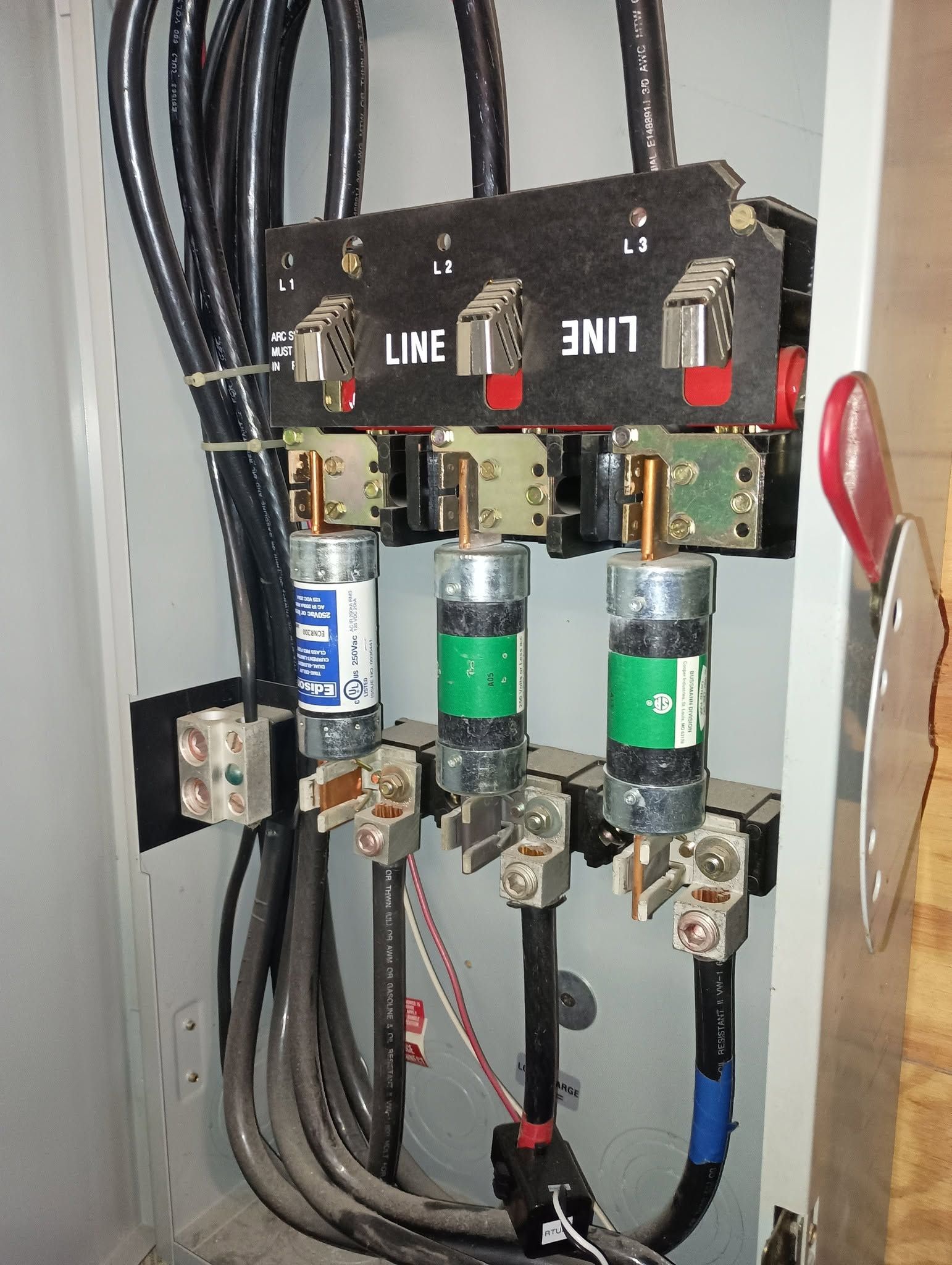
You Have a Fuse Box

Homes built before the 1960s often used fuses instead of circuit breakers. While fuse boxes were once standard, they are now considered outdated and less safe. Fuses must be replaced when they blow, and many older fuse boxes do not meet current safety codes or support modern electrical loads.


Breakers Trip Frequently

If your breakers are constantly tripping, especially when using appliances at the same time, this could indicate that your panel is not equipped to handle your home’s electrical demand. Repeated tripping is more than a nuisance; it can signal a serious problem.


Your Home Has a 100-Amp Panel or Less

Older homes were often built with 60- or 100-amp panels, which were sufficient decades ago. Today, a 200-amp panel is the standard for most single-family homes. With more electronics, large appliances, heating and cooling systems, and electric vehicles, an upgrade may be necessary to keep up.


Signs of Physical Damage

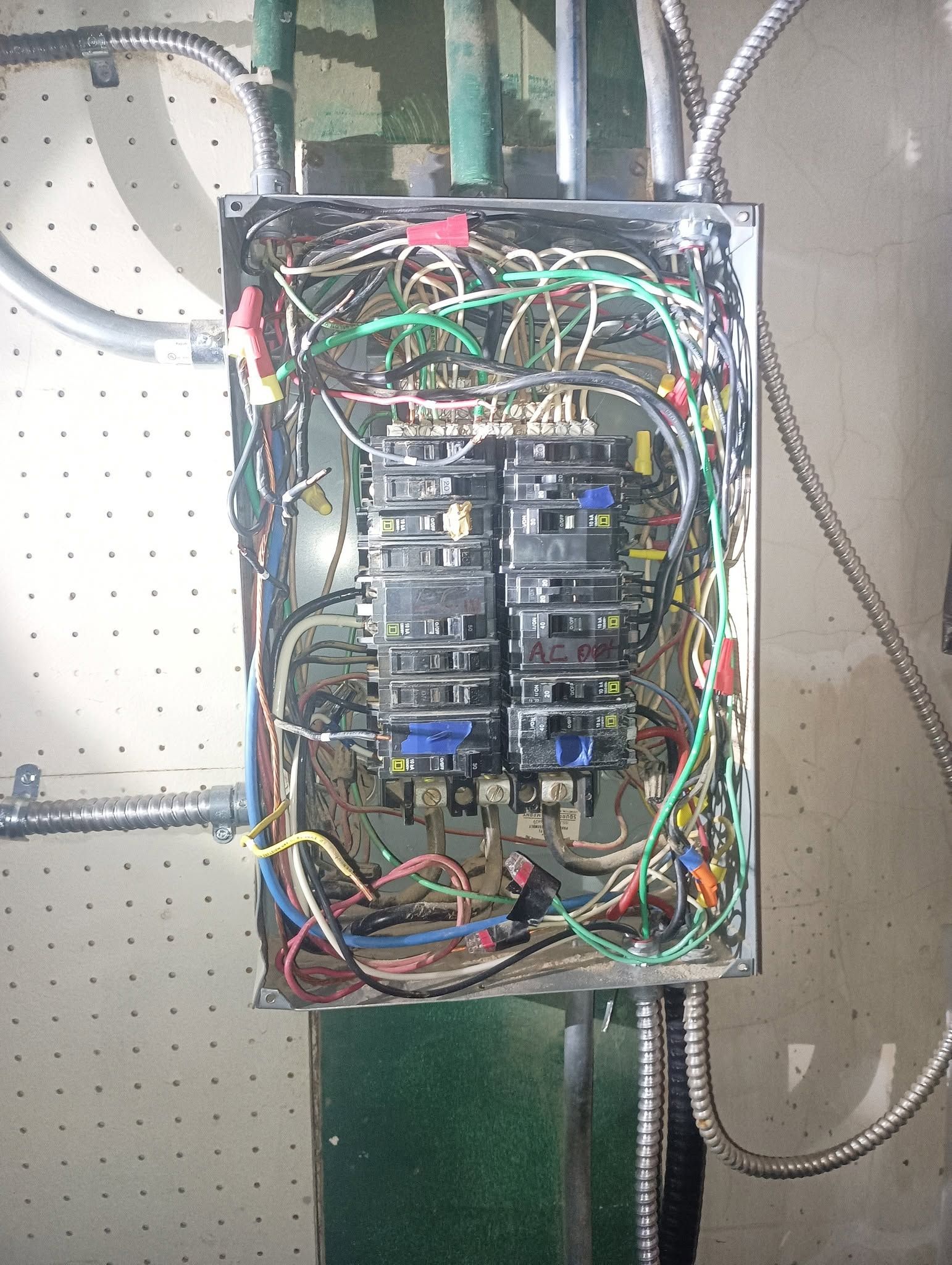
If your panel shows signs of corrosion, rust, black marks, or any burning smell, it needs to be inspected immediately. These symptoms can point to loose connections, overheating, or moisture infiltration. All are fire hazards and require prompt attention from a licensed electrician.


Lights Flicker or Dim When Appliances Run

This is a common symptom of a strained panel. When major appliances like a vacuum cleaner, air conditioner, or microwave turn on, they may draw more current than the panel can supply, resulting in momentary dimming or flickering lights.


You Are Renovating or Expanding

If you’re planning a home addition, kitchen remodel, or other upgrades that involve new appliances or systems, your electrical panel may need to be upgraded to support the added load. Without sufficient capacity, you may run into tripped breakers or worse.


Why Homeowners in Tennessee Should Upgrade Their Panels

Homeowners in Elizabethton and nearby areas face unique electrical demands, especially during periods of high heating or cooling use. An outdated panel can put your home at risk or limit your ability to improve your living space.


Here are several benefits to upgrading your electrical panel:

  • Increased safety and reduced fire risk
  • Capacity for new devices and future expansion
  • Improved reliability and fewer power interruptions
  • Code compliance for insurance or home resale
  • Ability to install EV chargers, hot tubs, or solar systems


When done professionally, a panel upgrade is a valuable investment in your home’s infrastructure and safety.


What Is Involved in a Panel Upgrade?

A professional upgrade involves several steps to ensure safety and compliance with all local and national codes. At NJC Electric, we follow a proven process to deliver safe, efficient results.


Initial Inspection and Assessment

First, we perform a detailed inspection of your current electrical system. This includes reviewing the panel’s condition, load capacity, and any potential safety concerns. We also look at your usage patterns and any plans for future expansion.


Load Calculation

Next, we calculate the total electrical load needed to power your home, taking into account your appliances, HVAC system, lighting, and other devices. This determines whether a 150-amp, 200-amp, or larger panel is needed.


Permits and Code Compliance

All electrical panel upgrades in Tennessee must follow National Electrical Code (NEC) standards and local building codes. NJC Electric handles all permitting and inspections to ensure compliance.


Installation of the New Panel

Once the new panel is selected, we disconnect power and safely remove the old panel. We then install the new one, transfer circuits, upgrade wiring if needed, and secure all connections. In some cases, a new grounding system or surge protection may also be installed.


Testing and Final Inspection

After installation, we test all circuits and breakers to confirm proper operation. Once everything passes inspection, your home is back online with a safer, more reliable electrical system.


How Long Does It Take to Upgrade an Electrical Panel?

Most standard upgrades can be completed in a single day. However, homes that require additional rewiring, grounding, or coordination with the power company may take longer. NJC Electric will provide a clear timeline based on your specific needs.


Cost Factors to Consider

The cost of upgrading your electrical panel varies depending on several factors:

  • Current panel capacity and condition
  • Size of the new panel (100, 150, or 200 amps)
  • Whether rewiring or meter upgrades are needed
  • Permit and inspection fees
  • Accessibility and location of the panel


To get an accurate estimate tailored to your home, we recommend scheduling a no-obligation inspection.


Frequently Asked Questions

Is a permit required to upgrade my panel in Elizabethton?

Yes. All panel upgrades require a permit and a follow-up inspection to ensure code compliance. NJC Electric manages this process from start to finish.


Will I be without power during the upgrade?

Yes, your home will temporarily be without power while the panel is being replaced. Most upgrades are completed within a day to minimize inconvenience.


Can I install a generator or EV charger after the upgrade?

Yes. One of the biggest advantages of upgrading your panel is having the capacity to support future installations, including generators, EV chargers, or home office equipment.


Is upgrading my panel worth it if everything still “works”?

Even if your system seems to be working, an old or undersized panel may not be safe. Hidden risks such as overheating or non-compliance with modern codes can lead to serious problems. Upgrading ensures you are protected and prepared for future needs.


Service Area

NJC Electric serves Elizabethton and surrounding areas within a 60-mile radius. We work with homeowners in Johnson City, Bristol, Kingsport, and many other East Tennessee communities. Whether you’re experiencing issues with your current system or planning a remodel, we’re here to help you stay safe and up to code.


Schedule Your Electrical Panel Inspection Today

If you suspect your electrical panel is outdated, overloaded, or unsafe, don’t wait until a problem occurs. NJC Electric offers expert inspections, fair pricing, and quality workmanship on every panel upgrade.

Contact us today for a consultation and estimate.


Recent Posts

Hands of electrician testing electrical panel with multimeter.
February 19, 2026
Discover the most common home electrical code violations in Tennessee. NJC Electric explains how to spot and fix issues to keep your home safe and up to code.