
August 24, 2026

Why Your Circuit Breaker Keeps Tripping and What It Means

Share this article

This is paragraph text. Click it or hit the Manage Text button to change the font, color, size, format, and more. To set up site-wide paragraph and title styles, go to Site Theme.

A circuit breaker that keeps tripping is more than a minor inconvenience—it's a warning that your electrical system may have an underlying problem. Circuit breakers are designed to shut off power whenever they detect unsafe electrical conditions, helping prevent overheating, electrical fires, and damage to your wiring or appliances. While an occasional trip may happen after an overloaded circuit, repeated tripping often means it's time to investigate the cause. In some cases, a circuit breaker replacement is the safest solution, but only after the issue has been properly diagnosed by a licensed electrician.

Why Does a Circuit Breaker Keep Tripping?

A circuit breaker trips whenever it detects more electrical current than a circuit can safely handle. This safety feature protects your property by disconnecting power before damage occurs.


Several issues can cause repeated breaker trips, and each requires a different solution.

Overloaded Circuits

An overloaded circuit is one of the most common causes of breaker trips. It occurs when several appliances or devices demand more electricity than the circuit is designed to supply.


Common situations include:


  • Running multiple kitchen appliances at the same time
  • Plugging portable heaters into busy circuits
  • Using high-powered tools alongside other equipment
  • Adding new electronics without upgrading older wiring


Many homes throughout Elizabethton, Johnson City, and Jonesborough were built before today's electrical demands became common. As families add more electronics and appliances, overloaded circuits become increasingly likely.

Short Circuits

A short circuit occurs when electricity follows an unintended path, creating a sudden surge of current. The breaker immediately shuts off power to prevent overheating and reduce the risk of fire.


Warning signs may include:


  • A burning smell near outlets or switches
  • Blackened or discolored outlets
  • Sparks when plugging in electrical devices
  • A breaker that trips immediately after being reset


Because short circuits can damage wiring and electrical equipment, they should always be inspected by a licensed electrician.

Ground Faults

Ground faults happen when electricity escapes its intended path and flows directly into the ground. These problems are most common in bathrooms, kitchens, garages, outdoor outlets, and other damp locations.


Ground Fault Circuit Interrupter (GFCI) outlets are designed to detect these dangerous conditions and disconnect power almost instantly, helping reduce the risk of electrical shock.

When Does a Circuit Breaker Need Replacement?

Not every tripping breaker needs to be replaced. Sometimes the breaker is simply reacting to another electrical problem. However, circuit breakers can wear out after years of use and eventually lose their ability to provide reliable protection.


Signs you may need a circuit breaker replacement include:


  • Frequent breaker trips with no obvious cause
  • A breaker that won't remain in the ON position
  • Burn marks or corrosion around the breaker
  • A burning odor near the electrical panel
  • Buzzing or crackling sounds coming from the panel
  • A breaker that feels unusually warm to the touch


A professional electrical inspection can determine whether the breaker itself has failed or whether another issue within the electrical system is causing the problem.

What Should You Do When a Breaker Trips?

If a breaker trips, avoid repeatedly resetting it without understanding why it happened. While it may temporarily restore power, forcing a faulty breaker back on can allow electrical problems to worsen.


Instead, follow these steps:


  • Unplug any recently connected appliances.
  • Identify which breaker has tripped.
  • Pay attention to what was running when it happened.
  • Leave the breaker off if it trips immediately again.
  • Contact a licensed electrician if the problem continues.


These simple observations can help identify the source of the issue while keeping your property safer.

Can a Tripping Breaker Be Dangerous?

Yes. Although the breaker is doing its job by protecting your electrical system, repeated tripping often indicates a problem that shouldn't be ignored.


Ignoring the warning signs can increase the risk of:


  • Damaged electrical wiring
  • Electrical fires
  • Appliance failure
  • Unexpected power outages
  • More extensive electrical repairs


Whether you own a home in Greeneville, operate a business in Kingsport, or manage a commercial property in Bristol, addressing electrical problems early helps prevent more serious issues later.


Commercial and industrial facilities may also experience repeated breaker trips as equipment, machinery, or electrical loads increase over time. Regular inspections help ensure electrical systems continue operating safely and efficiently.

Why Professional Electrical Service Matters

Circuit breaker problems aren't always caused by the breaker itself. Loose electrical connections, aging wiring, damaged outlets, faulty appliances, or issues within the electrical panel can all produce similar symptoms.


At NJC Electric, our licensed electricians carefully inspect the entire electrical system before recommending repairs or a circuit breaker replacement. This thorough approach helps identify the root cause, improve electrical safety, and restore reliable service for residential, commercial, and industrial properties throughout Elizabethton, Johnson City, Kingsport, Bristol, Greeneville, Jonesborough, and the surrounding Northeast Tennessee communities.

Frequently Asked Questions

  • Why does my circuit breaker keep tripping?

    Repeated breaker trips are commonly caused by overloaded circuits, short circuits, ground faults, faulty appliances, or a breaker that has reached the end of its service life.

  • How do I know if I need a circuit breaker replacement?

    If your breaker trips frequently, won't reset properly, feels hot, or shows visible signs of damage, it should be inspected by a licensed electrician to determine whether replacement is necessary.

  • Can a bad appliance trip a circuit breaker?

    Yes. A malfunctioning appliance can overload a circuit or create a fault that causes the breaker to trip repeatedly. Disconnecting the appliance may help identify the source of the problem.

  • Is it safe to keep resetting a tripped breaker?

    No. If the breaker continues to trip, repeatedly resetting it without correcting the underlying issue may increase the risk of electrical damage or fire.

  • Should I replace a circuit breaker myself?

    Circuit breaker replacement involves working inside an electrical panel and should always be performed by a qualified electrician with the proper training and safety equipment.

Contact NJC Electric Today

If your circuit breaker keeps tripping, don't wait for a small electrical issue to become a larger safety concern. Contact NJC Electric for dependable troubleshooting, professional circuit breaker replacement, and trusted electrical services throughout Elizabethton, Johnson City, Kingsport, Bristol, Greeneville, Jonesborough, and nearby Tennessee communities.


ADDITIONAL BeaRS STORIES

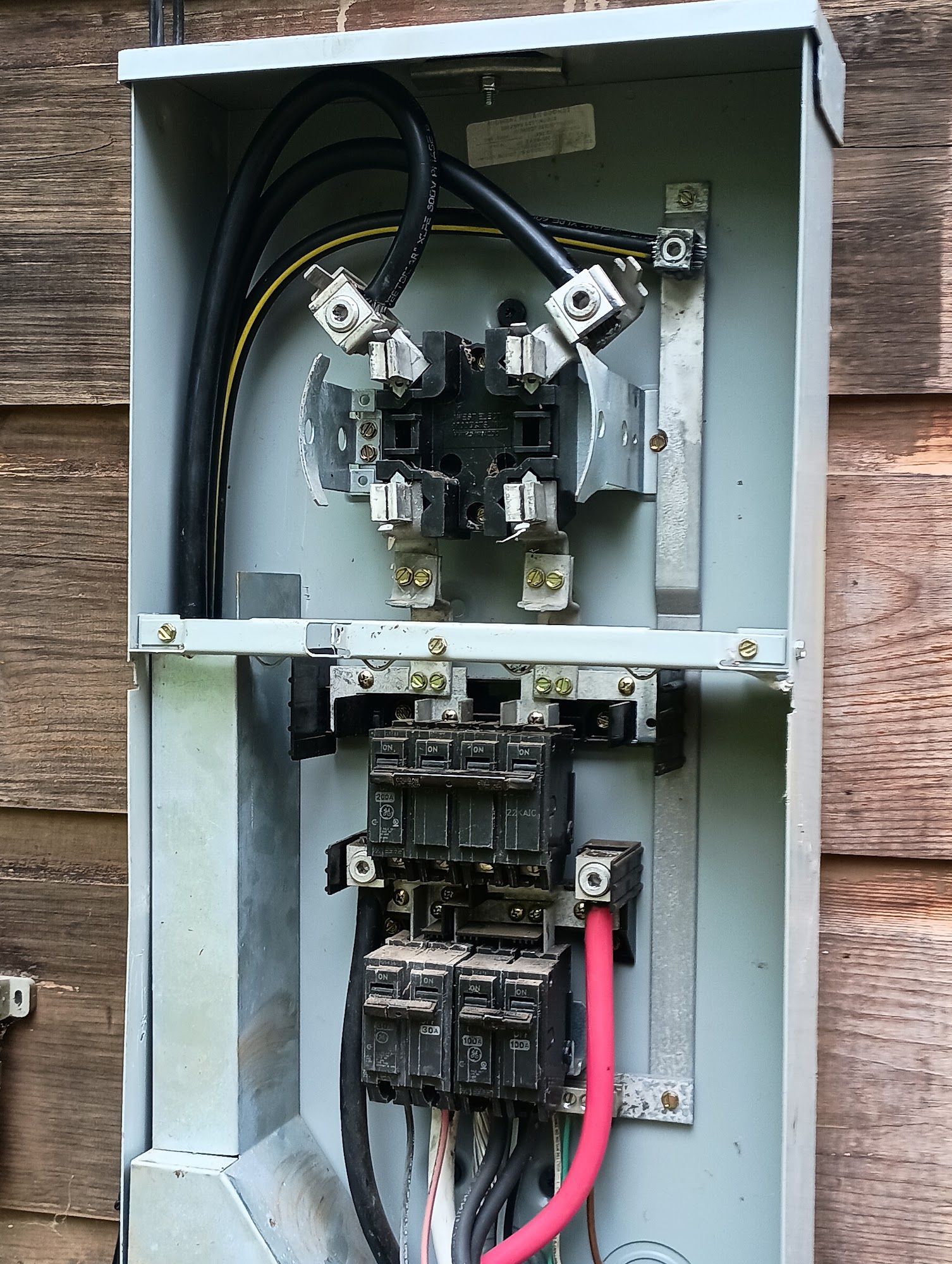
Open electrical service panel with black and pink cables mounted on a wall
August 24, 2026
Your home's electrical panel is one of the most important systems in your house, yet many homeowners don’t give it much thought until something goes wrong. If your panel is outdated, too small, or showing signs of wear, it might be time for an upgrade. Modern homes rely on more electricity than ever before, and the panel that worked 30 years ago may no longer meet your needs. This article outlines how to identify when an upgrade is needed, why it matters, and what Tennessee homeowners can expect from the process.
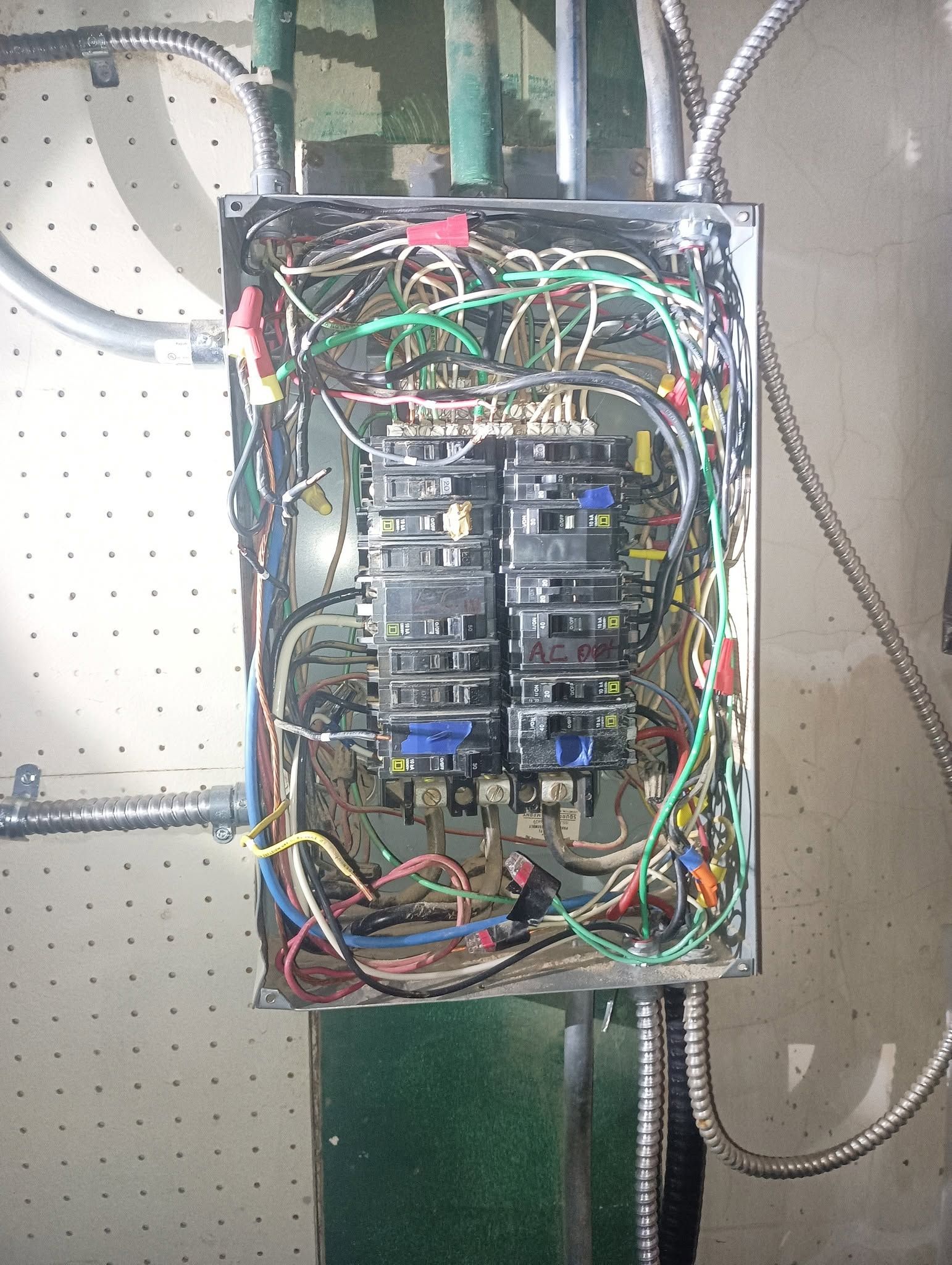
Open electrical breaker panel with tangled multicolored wires on a pegboard wall
August 24, 2026
Electrical safety codes exist to protect your home, your family, and your investment. But in many older homes across Tennessee—including properties in Elizabethton, Johnson City, and nearby areas—outdated wiring, DIY fixes, or past remodels may leave you with electrical code violations you didn’t even know about. In this article, we cover the most common electrical code violations found in Tennessee homes, how they can impact safety and resale value, and what steps you can take to correct them. 

Modern kitchen with large island, warm under-cabinet lighting, and floor-to-ceiling windows opening to greenery
August 24, 2026
Electrical safety is something many homeowners overlook until there’s a problem. But when it comes to preventing shocks, fires, and costly repairs, a proactive approach can make all the difference. Whether you live in a historic home in downtown Elizabethton or a newer build on the outskirts of town, these essential tips can help you maintain a safer home environment. Here are five practical and important electrical safety tips for homeowners in Elizabethton and surrounding Tennessee communities.